Public-private partnership as a successful model for the energy transition
Green Energy Lab is supported by five energy companies and, as a public-private partnership, has been orchestrating market-oriented research activities for the energy transition in Austria for eight years. The newest member of the research initiative is Energie AG Oberösterreich.
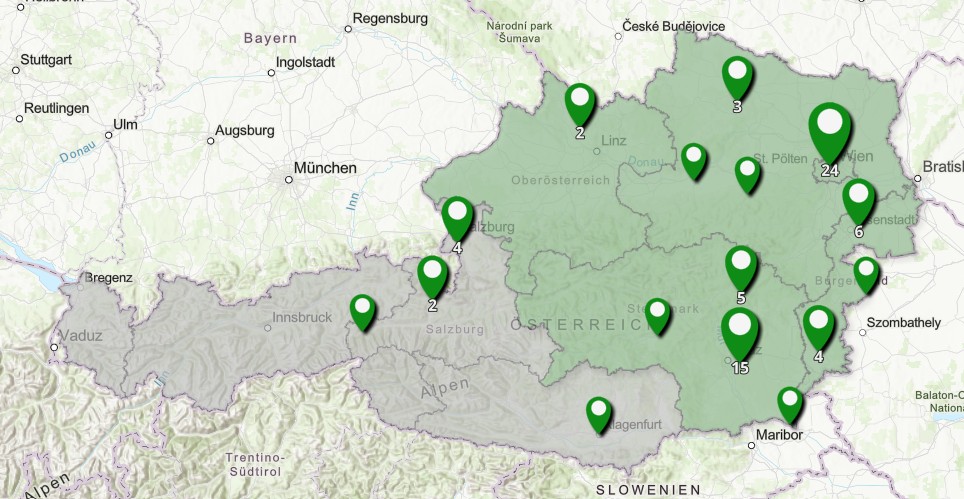
The innovation map shows the locations of more than 50 research projects in the Green Energy Lab to date. The research initiative is supported by five regional energy suppliers. Energie AG Oberösterreich is the latest addition.
Vienna, 27 November 2025 – The Green Energy Lab research initiative has been operating Austria’s largest innovation laboratory for sustainable energy solutions for eight years and is considered a prime example of a successful public-private partnership for the energy transition: more than 50 research projects have been carried out as part of Green Energy Lab, saving 60,000 kilowatt hours of primary energy. This directly avoids around 48,000 tonnes of CO₂ annually. These emission savings were achieved directly through funded projects with implemented demonstration applications. However, the indirect effects are many times higher, explains Andrea Edelmann, chairwoman and spokesperson of the Green Energy Lab board: “The enormous potential lies in scaling up the model solutions and technologies developed at Green Energy Lab, which will ultimately be widely implemented on the market.”
The research initiative was founded as a non-profit association by Wien Energie, EVN, Burgenland Energie and Energie Steiermark. The innovation laboratory is also funded by the Climate and Energy Fund. “This public-private partnership has been extremely successful, resulting in many model solutions for the integration of renewable energy generation that are already making a substantial contribution to the energy transition in Austria”, says Edelmann.

Dr. Andrea Edelmann, Chairwoman and Spokesperson of the Green Energy Lab Board © Stephanie Weinhappel / Green Energy Lab
Energie AG becomes a member of Green Energy Lab
Today, Green Energy Lab has become an integral part of Austria’s energy sector innovation landscape. With Energie AG Oberösterreich, another big player is now joining the association to actively shape the development of solutions for the energy transition and technology development “Made in Austria”.
Energie AG pursues a clear strategic focus on the transformation to a sustainable energy system. Its key objectives are decarbonisation, increasing renewable energy production and supporting national and European climate targets.
Investments in photovoltaics, wind power, hydropower and new technologies such as battery storage are making a significant contribution. By 2035, renewable electricity generation is to be increased by more than 1 TWh. In addition to the Ebensee pumped storage power plant currently under construction, the use of biomass, geothermal energy and industrial waste heat for sustainable heat supply is part of the decarbonisation strategy. The topic of hydrogen is also to be further advanced.
Leonhard Schitter, CEO of Energie AG Oberösterreich: “A particular focus is on further strengthening our company’s innovative capabilities. That is why we want to play an active role in developing model solutions for the energy transition as part of the Green Energy Lab research initiative.”
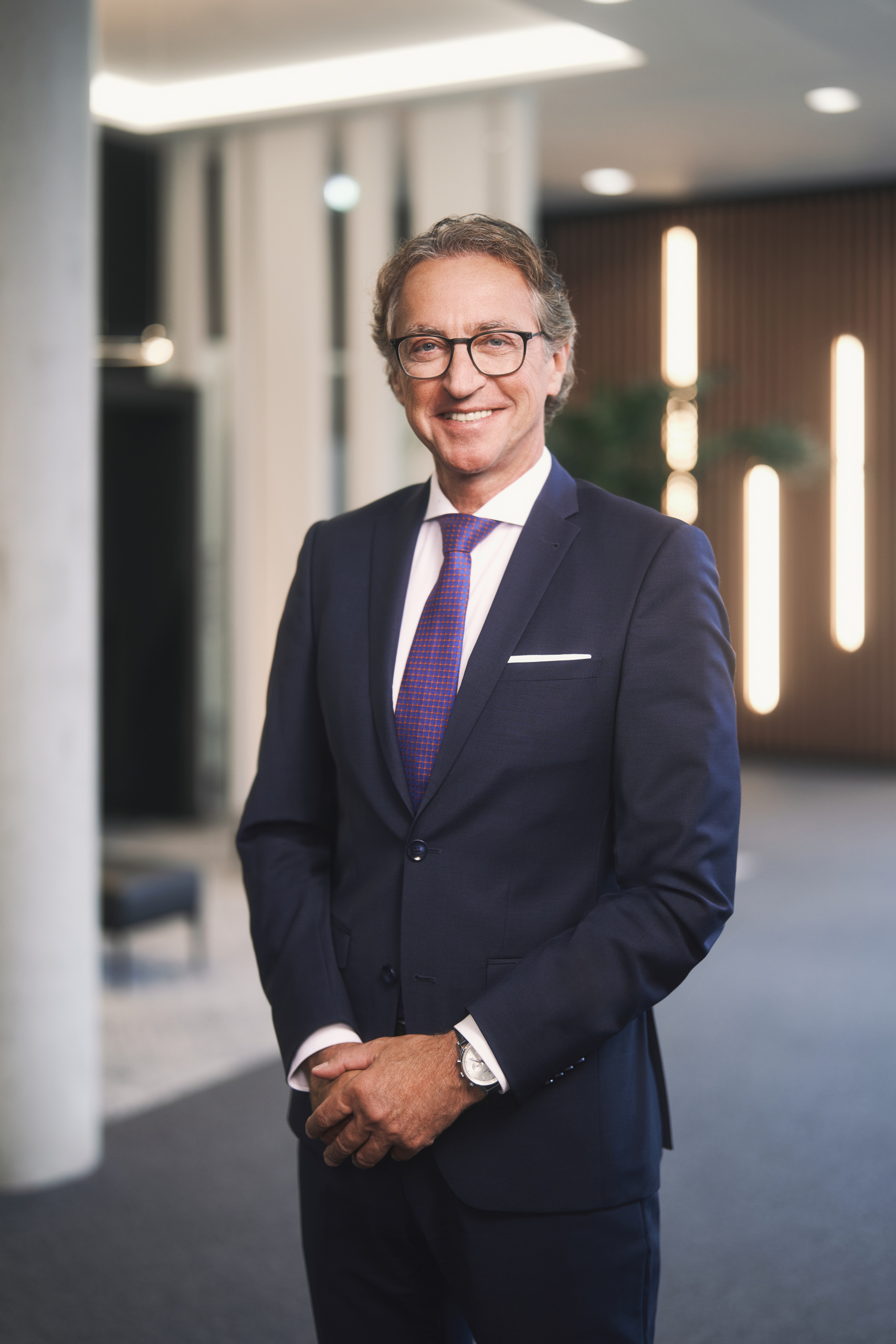
Dr. Leonhard Schitter, Chairman of the Executive Board of Energie AG Oberösterreich © Energie AG / Robert Maybach
Fit for the future – technologies “Made in Austria”
The aim of Green Energy Lab is to support the energy transition towards climate neutrality through applied research and development. The ecological aspect plays just as important a role here as market economy considerations and strengthening the business location. Green Energy Lab is convinced that technologies for climate-neutral energy supply “Made in Austria” must compete on the market and, in some cases, can also become export hits. This ensures the necessary scaling of model solutions and contributes to the competitiveness of Austrian companies and research institutions.
Focus on urban heat supply
The model solutions developed at Green Energy Lab are as diverse as the energy transition itself. They range from buffering PV electricity to relieving the power grid with large battery storage systems to using waste heat for district heating. The latter is a particularly important issue for Wien Energie, which operates one of Europe’s largest district heating networks in the Austrian capital. The city has set itself the ambitious goal of achieving climate-neutral space heating and hot water supply by 2040. To this end, Wien Energie is continuing to expand the district heating network and replacing fossil fuels with sustainable alternatives, explains Wien Energie Managing Director Karl Gruber: “In future, we will use underground thermal water reserves to supply heat to the metropolis of Vienna. We are also increasingly focusing on the use of large heat pumps to utilise waste heat.”
Examples include heat recovery from the treated wastewater at the ebswien sewage treatment plant in Simmering and waste heat from flue gas at the Spittelau waste treatment plant. Many of these developments were initiated by projects at Green Energy Lab, such as the construction of the first large-scale underground heat storage facility in an urban area in Donaustadt.
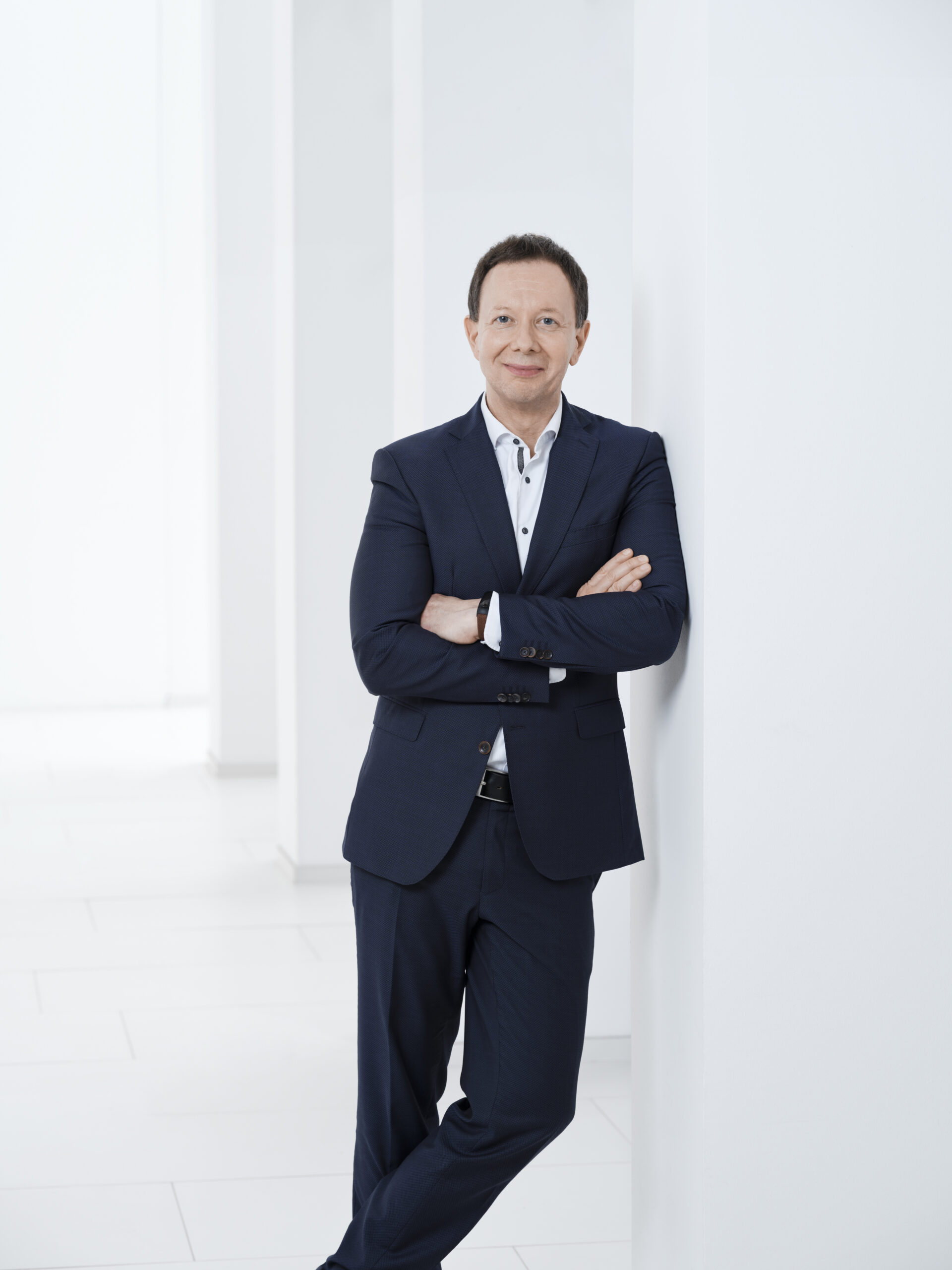
Karl Gruber, Managing Director of Wien Energie © Wiener Stadtwerke / Ian Ehm
Sun and wind for Burgenland
Burgenland is known to be blessed with plenty of wind and, above all, lots of sunshine. This benefits not only tourism but also energy supply: Burgenland aims to become energy self-sufficient by 2030 and cover 100 per cent of its energy needs with renewable energy. To achieve this, the focus is particularly on photovoltaics and wind power. However, their generation fluctuates greatly and ways must be found to integrate renewable energies into the system in a meaningful way. “In doing so, we are increasingly relying on innovative storage technologies, sector coupling, and hydrogen”, explains Stephan Sharma, CEO of Burgenland Energie. As part of the research conducted at Green Energy Lab, the district heating plant in Neusiedl am See was expanded into an energy hub. When more wind power is being produced than is needed, large heat pumps can be used to supply heat to the region. Recently, an electrolyser was added to the Neusiedl site, which can convert electricity into hydrogen for storage testing purposes.

Dr. Stephan Sharma, Chairman of the Executive Board of Burgenland Energie © Roman Zach-Kiesling / Burgenland Energie
Styria is pushing for climate neutrality by 2040
As a leading Styrian company and a leading green energy supplier and service provider, Energie Steiermark is consistently pursuing its path to climate neutrality by 2040. To this end, the company plans to invest 5.5 billion euros in the expansion of renewable energies and infrastructure over the next few years. “Our roadmap to climate neutrality is characterised by a holistic view of market and technology developments, customer needs and economic efficiency issues. Energie Steiermark relies on close cooperation with leading research institutions to transform new ideas into marketable solutions”, say board members Martin Graf and Werner Ressi.
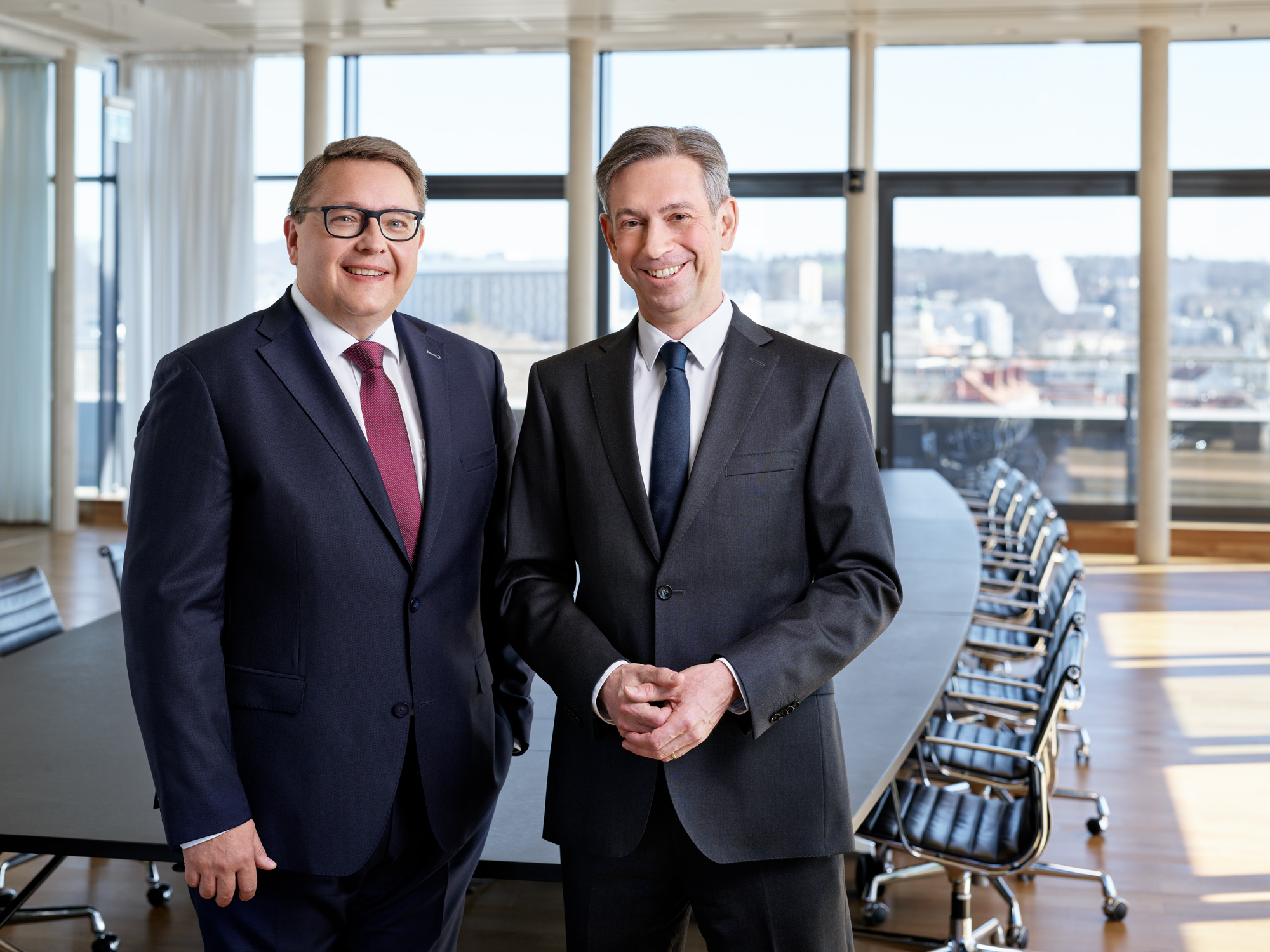
Martin Graf and Werner Ressi , Members of the Executive Board of Energie Steiermark AG © Alex Krischner
Hybrid storage concepts in Lower Austria
As part of the Science Based Targets Initiative (1.5 degree target), the Lower Austrian energy group EVN has set itself measurable targets for decarbonisation and sustainable energy supply. In addition to switching heat supply to renewable sources, in particular through the expansion of biomass plants, renewable annual electricity production is to be increased to 3.8 terawatt hours by 2030. Expanding the supply of wind and solar energy while ensuring the stability of the electricity grid is one of the major challenges. EVN is increasingly focusing on so-called hybrid parks to address this: wind turbines and photovoltaic parks are being built together at a location with large battery storage facilities. This allows fluctuations in wind and solar generation to be better cushioned and the grid to be relieved. The blueprint for this concept was provided by the Theiss power plant site, which was further developed as part of Green Energy Lab into an innovative energy hub with a combined heat and power plant and battery storage facility. „We need innovative solutions that function reliably in the daily reality of energy supply, stabilise the grid, strengthen security of supply and are competitive in the market. We are driving these developments forward, including at Green Energy Lab“, says Stefan Szyszkowitz, Spokesman for the Management Board of EVN AG.

Stefan Szyszkowitz, Spokesman for the Management Board of EVN AG © EVN / Wurnig
About Green Energy Lab
The Green Energy Lab research initiative is a non-profit association for applied research in the field of renewable energy and heating solutions. The association was founded in 2018 by Wien Energie, EVN, Energie Steiermark and Burgenland Energie. Energie AG joined as the fifth member in 2025.
With the so-called “Innovator Circle”, Green Energy Lab has an extensive network of more than 350 companies and market-oriented research facilities, business and the public sector. The focus of the association’s activities is on the development, implementation and system integration of energy innovations bridging the gap between technology development and the market.
Contact
Ludwig Fliesser
Communications Manager
T: +43 676 471 93 47
E: ludwig.fliesser@greenenergylab.at