Large heat pump in Vienna’s Spittelau district now operational – sustainable heating for 16,000 households
The new large-scale heat pump at the Spittelau waste incineration plant was recently commissioned and now supplies 16,000 households with environmentally friendly heat. The plant is part of the ThermaFLEX flagship project from the portfolio of Green Energy Lab.
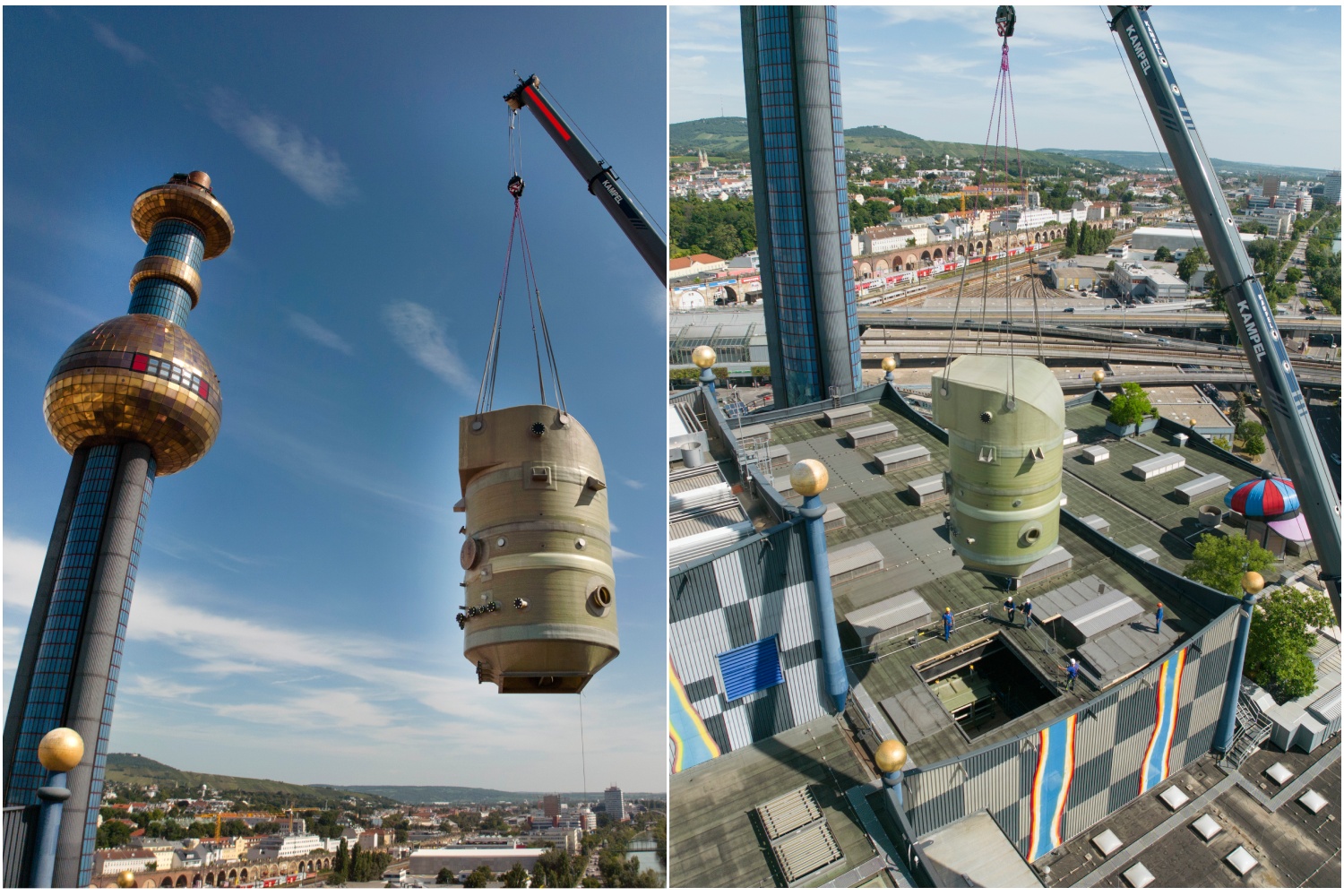
Image on the left: © Wien Energie; image on the right: © Wien Energie / Johannes Zinner
2 January 2026 – The new large heat pump at the Spittelau waste incineration plant weighs 120 tonnes. That is equivalent to the weight of 27 fully grown elephants – and it has just as much power: the large heat pump supplies 16,000 average Viennese households with heating and hot water. The plant, which is now in operation, is Wien Energie’s third large heat pump after the Simmering power station and the ebswien sewage treatment plant. It uses the waste heat from flue gas cleaning, ensuring that all the energy contained in our household waste is converted back into energy with virtually no loss. This makes Spittelau one of the most efficient waste incineration plants in Europe and once again a pioneer. Wien Energie is investing around 40 million euros in this flagship project. The project is funded by the Climate and Energy Fund and carried out as part of the RTI initiative “Vorzeigeregion Energie (Flagship Region Energy)”. It was also part of the flagship project “ThermaFlex” from the Green Energy Lab.
The Spittelau waste incineration plant in Vienna’s Alsergrund district has previously generated electricity for 30,000 and district heating for 60,000 average Viennese households each year. The commissioning of the new large-scale heat pump will increase total heat generation, enabling Spittelau to heat a total of 76,000 households.
“With district heating, we produce heat in Vienna for Vienna,” says Karl Gruber, Managing Director of Wien Energie. “It enables us to use energy that would otherwise be lost, such as waste heat generated in the urban area. With the new large-scale heat pump, we are increasing efficiency at the site to 95 percent. This makes Spittelau the most efficient waste incineration plant in Central Europe.”
Waste heat from flue gas cleaning
Waste incineration produces hot flue gases, which generate steam in pipes filled with water. This steam is fed through a turbine and used to generate electricity with a generator. The heat is then fed into the district heating system via a heat exchanger. The flue gases are then cleaned in a multi-stage process. The water used in wet scrubbing absorbs heat energy from the flue gases and is heated as a result. With the new plant, Wien Energie can use this heat energy as the starting point for a heat pump powered by green electricity. From now on, the heat from waste incineration will be used three times over, increasing the efficiency of the entire plant by 13 percent. Similar plants for recovering waste heat from flue gases are otherwise only found in Basel, Copenhagen and Hamburg.
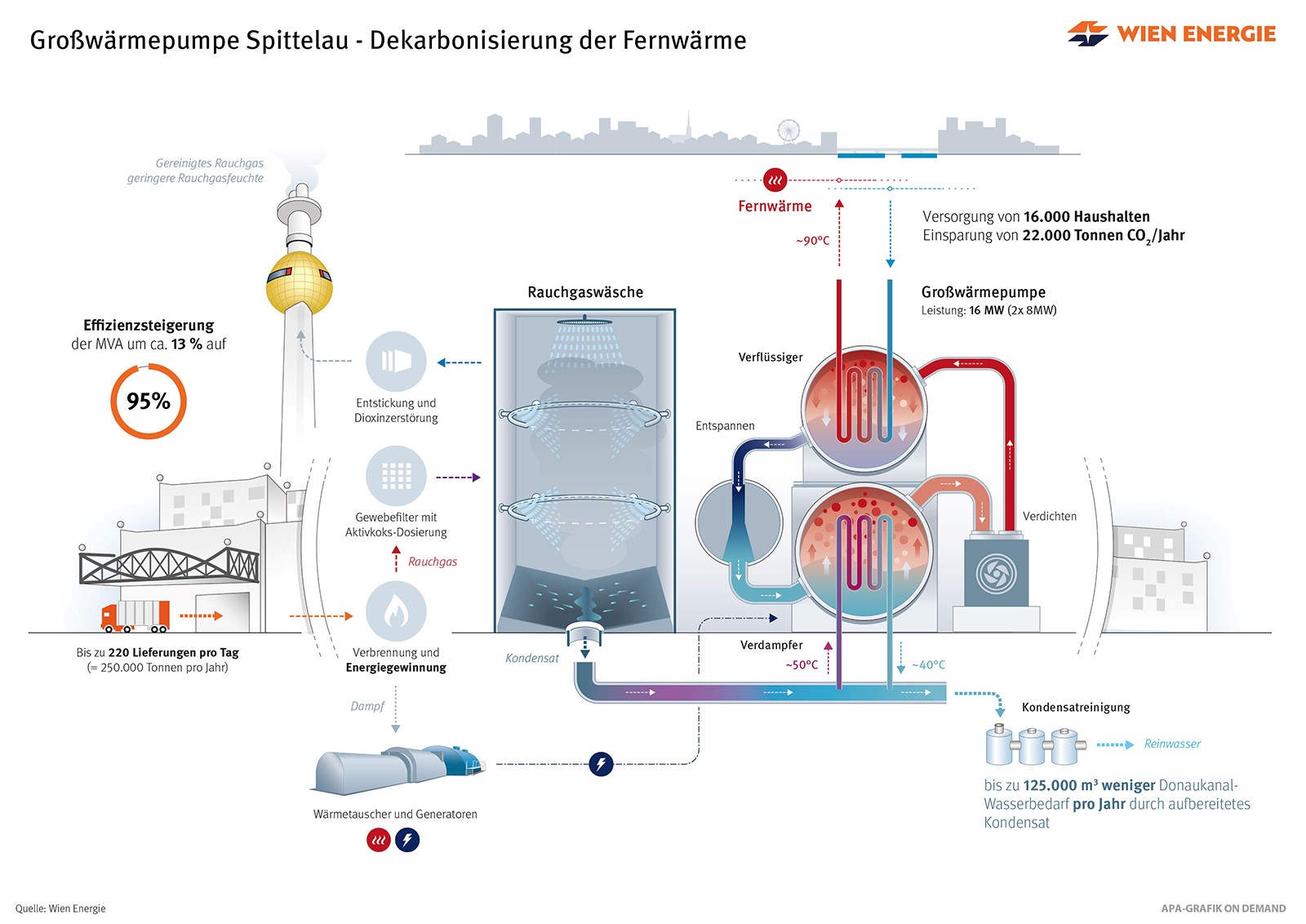
© Wien Energie / APA-Grafik on Demand
District heating is gradually becoming independent and sustainable
District heating plays an important role in decarbonising the city. By 2040, its share of total heating demand is set to rise from just over 40 percent to 56 percent. In order to supply more customers and at the same time gradually become independent of fossil fuels, renewable heat production must be massively expanded. Wien Energie has already taken important steps in this direction in recent years. Previously unused waste heat sources in the city are being used to provide renewable heat – for example, the oven heat from the Manner factory, the residual heat from the bathing water at the Therme Wien spa and the waste heat from the Digital Realty data centre in Floridsdorf are already heating Vienna’s residents today.
The greatest potential for the future lies in the use of deep geothermal energy, i.e. heat from the earth’s interior beneath Vienna. To this end, Wien Energie is currently working with OMV to build the first plant in Seestadt Aspern. From 2028, it will supply 20,000 households with heat from deep underground. By 2040, Wien Energie and OMV want to implement up to seven deep geothermal plants, which will then be able to supply the equivalent of 200,000 Viennese households. Large heat pumps also offer great potential: the new large heat pump at Spittelau is the third largest in Wien Energie’s portfolio. Since 2019, one at the Simmering power plant has been covering the needs of 25,000 households. Since December 2023, another one at the ebswien sewage treatment plant has been supplying a further 56,000 homes. Together, the three large heat pumps can produce enough heat to meet the needs of 97,000 average Viennese households (8,000 kWh/year).
Future generation mix by 2040
Heat generation in Vienna in 2040 is expected to consist mainly of four major components: waste incineration, (large) heat pumps, deep geothermal energy and a green power plant. Large heat pumps and waste heat will contribute the largest share at 31%, followed by deep geothermal energy at 26%, renewable combined heat and power plants and boilers at 22%, and waste incineration at 21%. Wien Energie aims to generate around 57 percent of its district heating from renewable heat and waste heat by 2030. To this end, the company plans to invest 660 million euros in renewable heat generation and the circular economy by 2030 alone.
Key data
- Output: 16 megawatts thermal (2 heat pumps with 8 MW each)
- Heat demand of 16,000 households
- Savings of 22,000 tonnes of CO₂/year
- Investment: €40 million
- 250,000 tonnes of residual waste are incinerated annually at the Spittelau waste incineration plant
- With the new plant, Wien Energie is increasing the efficiency of the Spittelau site by 13% to more than 95%
- Wien Energie supplies 479,000 households and more than 8,000 businesses with district heating
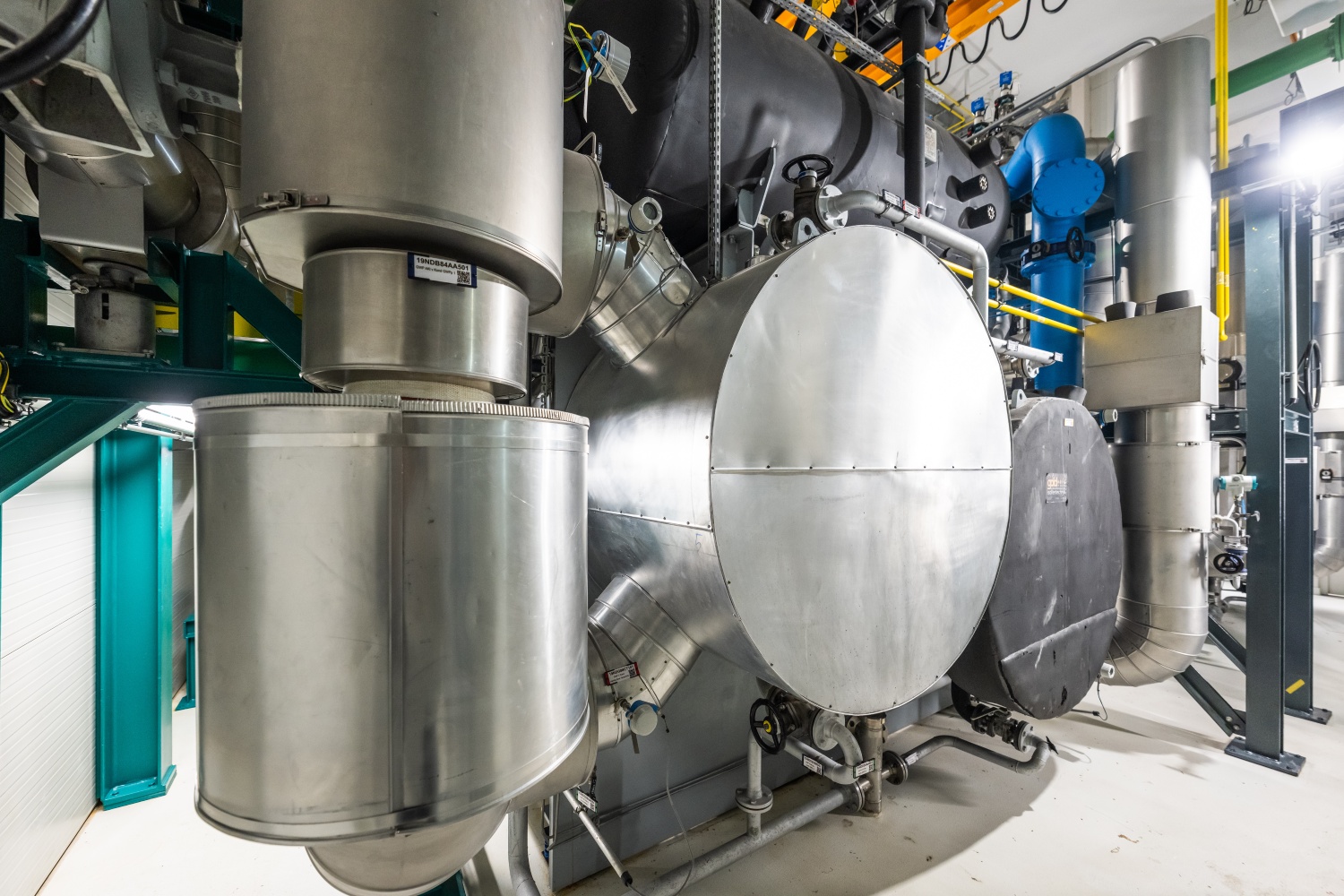
© Wien Energie / Thomas Meyer
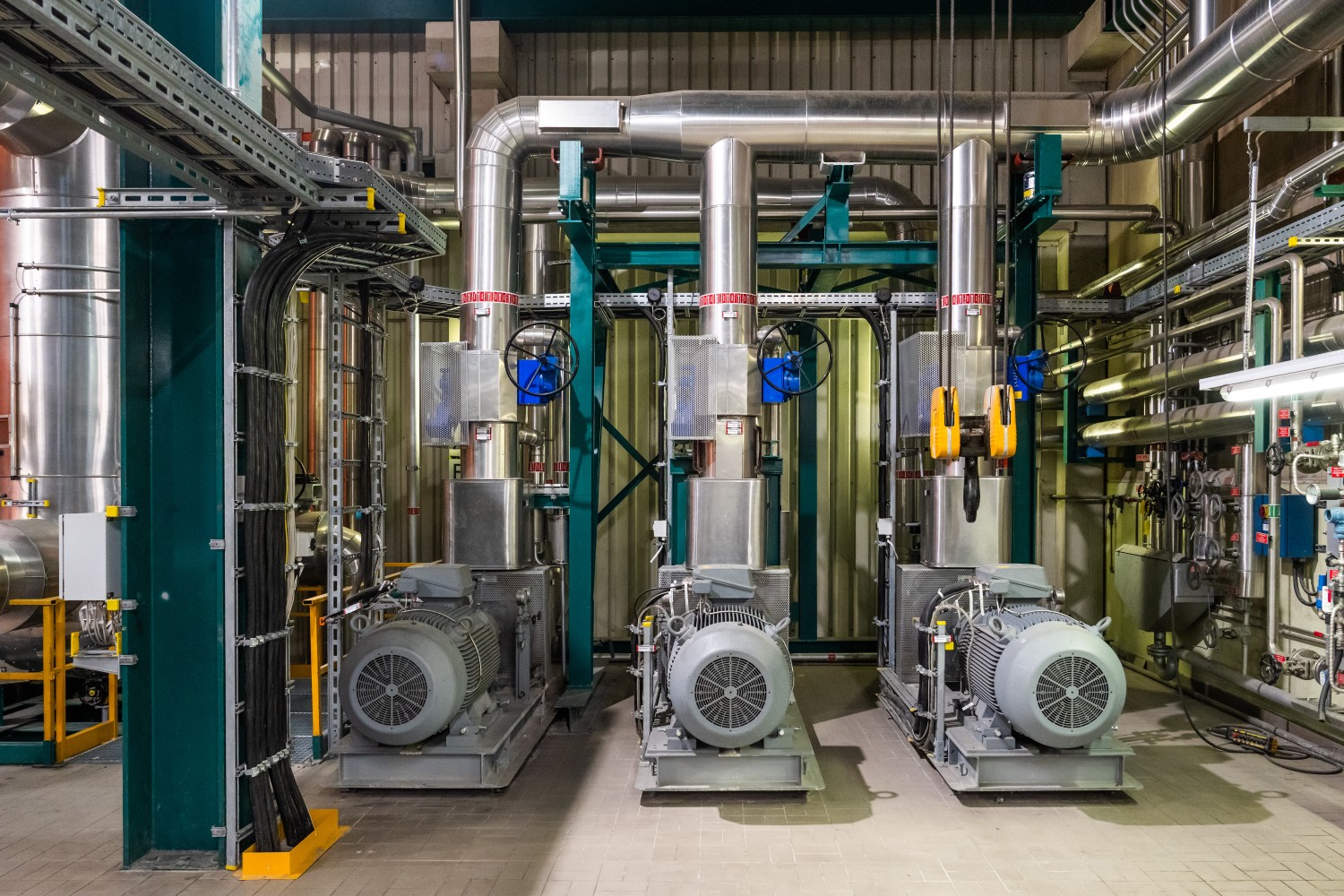
© Wien Energie / Thomas Meyer
Here you will find more information about the demonstration project Spittelau large-scale heat pump and the flagship project ThermaFLEX.
Contact
Ludwig Fliesser
Communications Manager
T: +43 676 471 93 47
E: ludwig.fliesser@greenenergylab.at
Copyright © 2025