BM Retrofit DEMO Saalfelden
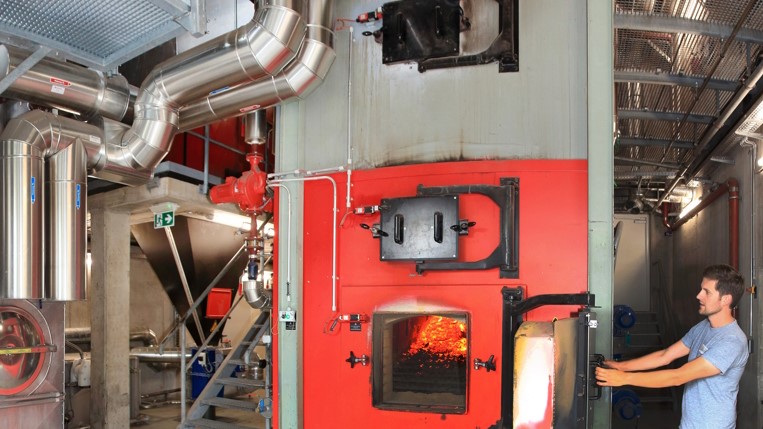
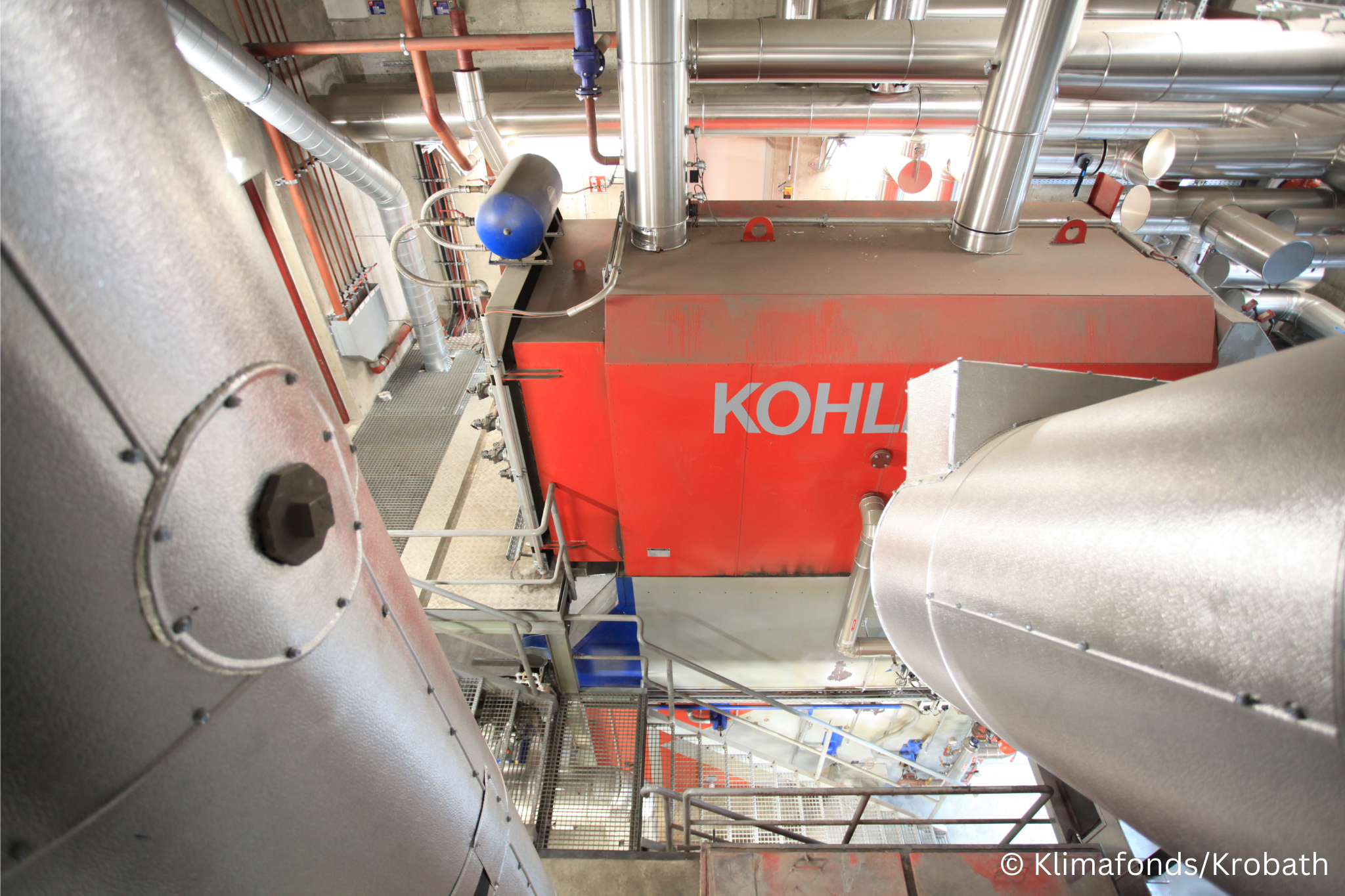
A comprehensive modernization was carried out in Saalfelden. Key measures included the integration of a cascaded heat pump system into the exhaust gas condensation process to increase efficiency, the implementation of an innovative control strategy based on CO lambda probes, the replacement of the exhaust gas cleaning system, the expansion of heat storage capacity, and the installation of a new supply line to increase the network’s transport capacity.
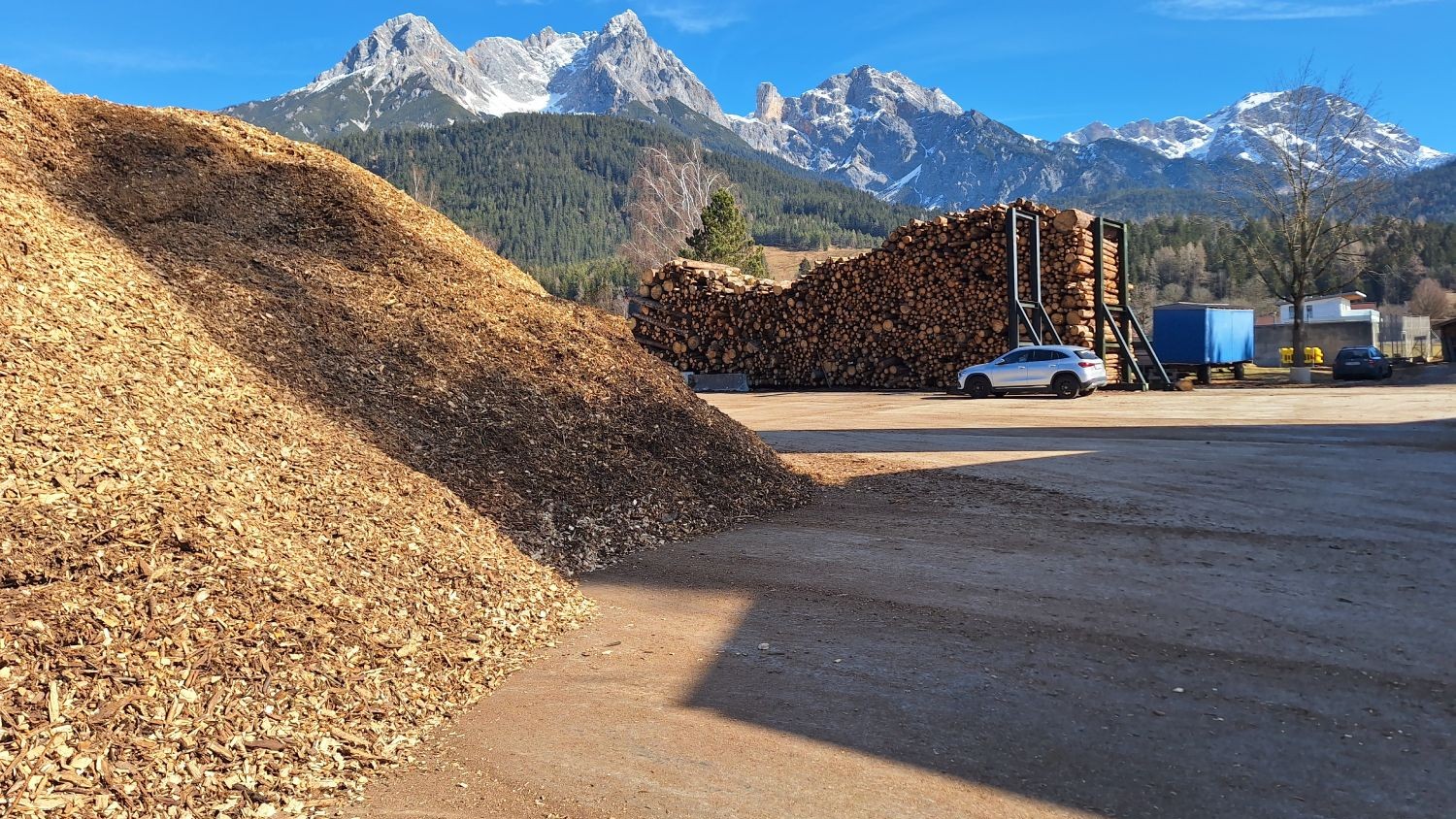
This demo is part of the BM Retrofit project that has been completed. Download the BM Retrofit Publishable Final Report here.
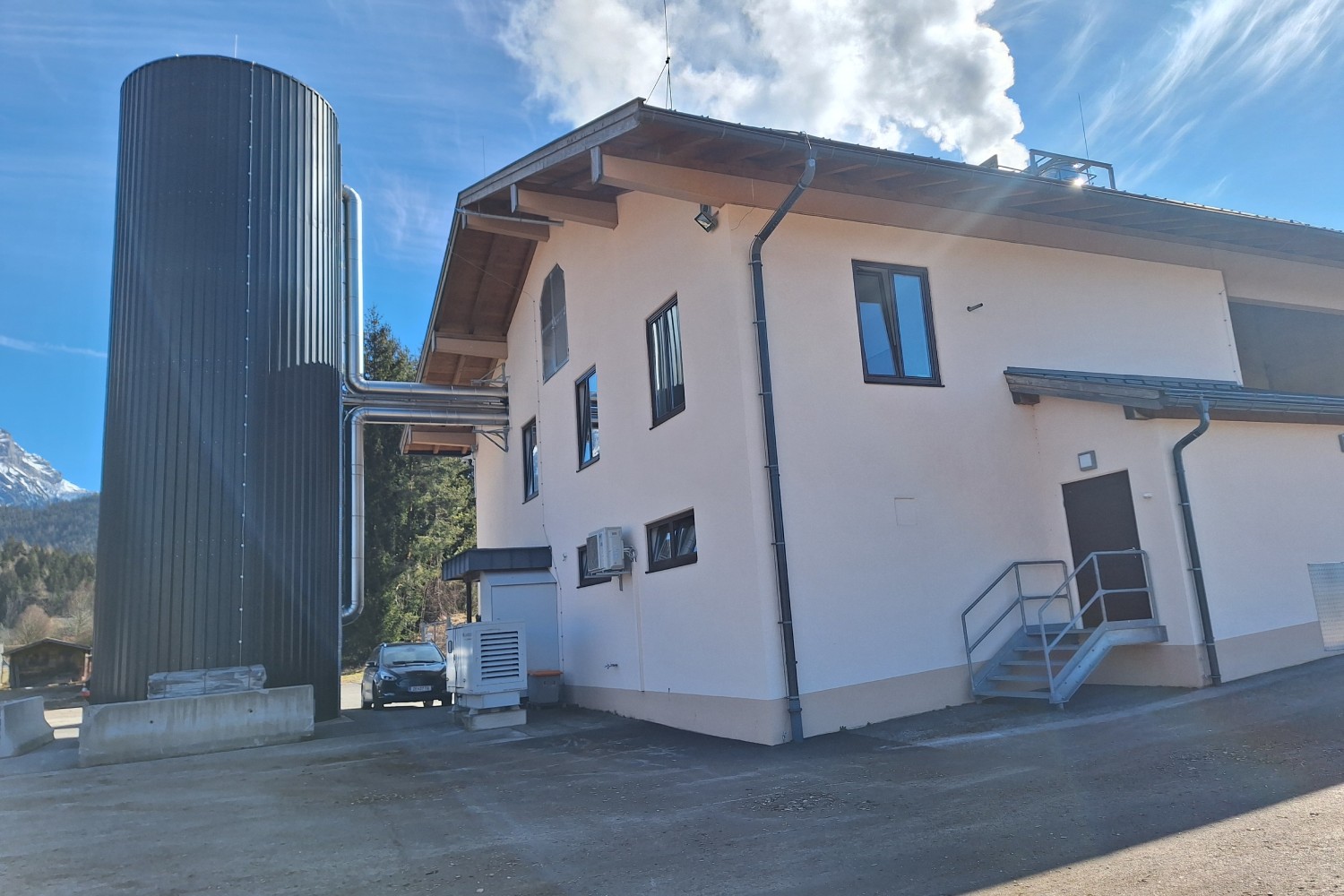
The Saalfelden demonstration site is a large-scale biomass-based district heating system that has been in operation since 1997. The district heating network, constructed in 2018, comprises approximately 5.3 km of piping and around 50 substations. As part of the BM Retrofit project, Saalfelden served as a key demonstration site for the integration of advanced, efficiency-enhancing technologies at the plant level, as well as for network expansion in conjunction with the substitution of fossil fuels. The overarching objectives at this site were to increase the plant’s overall efficiency, reduce the consumption of fossil fuels (natural gas), improve combustion quality, integrate active flue gas condensation with heat pumps, and strengthen the network infrastructure to enable a higher heat supply to the network.
In Saalfelden am Steinernen Meer in Salzburg, a multi-year modernization and optimization process of the district heating network was carried out, which included the demonstration and testing of a multi-stage and sustainable modernization concept.
The starting signal for how to lead the existing heating infrastructure into an even greener future for future generations was already given in 2018: the first step of a very comprehensive modernization process for the Saalfelden district heating network was taken as part of the ThermaFLEX flagship project for the comprehensive demonstration and evaluation of modernization concepts, and the first measures have already been implemented. The first innovative technological approaches such as flue gas recirculation, flue gas condensation and flue gas cleaning with electrostatic precipitators were demonstrated and further developed. A 150 m³ thermal storage tank has also been installed.
Based on the results and findings of the long-term monitoring, the next modernization and optimization steps were developed and tested in the BM Retrofit project.
Objective of the BM Retrofit Saalfelden project
The aim of the demonstration project waa to show how optimization potentials in the existing infrastructure can be exploited in a concrete way.
This included the development of innovative approaches to increase boiler efficiency and the technical and economic evaluation of control strategies. The integration of a heat pump concept in combination with flue gas condensation to further increase efficiency was also investigated and developed.
The overall objective was to increase and optimize generation capacities and to develop innovative control strategies for targeted grid expansion.
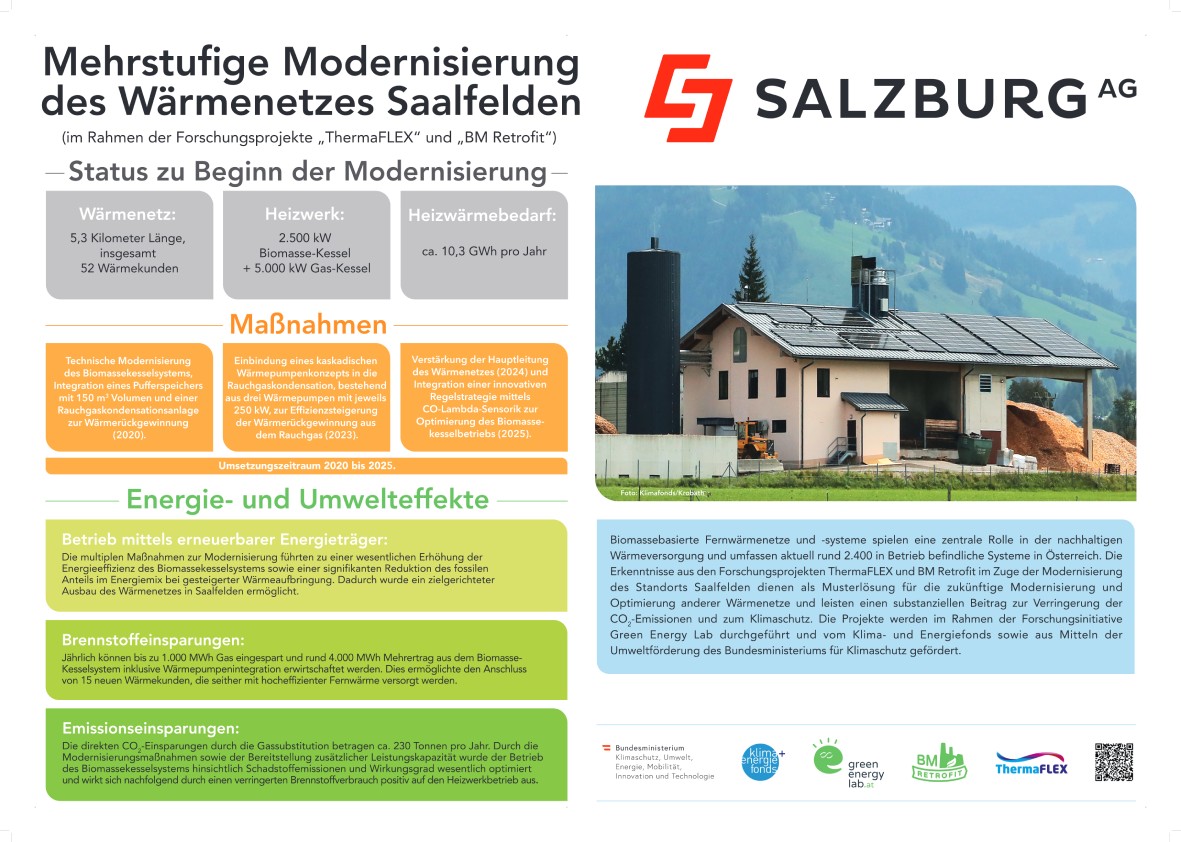
Display board for the BM Retrofit Saalfelden demo project. Click on the image to download the PDF! (available in German only)
Approach and methodology of the BM Retrofit Saalfelden project
The modernization measures were implemented in two phases. In Phase I (2020), an exhaust gas condensation system was integrated into the biomass boiler plant to recover low-temperature heat from the exhaust gases. In Phase II (2023–2025), a 3 × 250 kWth cascade heat pump system was installed to actively increase the recovered exhaust gas condensation heat. At the same time, the network’s main supply line was reinforced to increase its transport capacity.
To optimize the operation of the biomass boiler, detailed studies were conducted to increase the boiler’s efficiency and reduce the oxygen content in the flue gas, thereby ensuring complete combustion in the gas phase while maintaining stable and more efficient boiler operation. Based on the results, a CO-lambda optimization system was implemented as part of Phase II (2023–2025) of the modernization measures. It was tested for the specific boiler configuration and used to optimize the settings of the boiler control system.
As a result of grid reinforcement and expansion, the total annual heat supply increased significantly from 13.1 GWh in 2019 to 17.4 GWh in 2025. Despite the increased demand, the share of natural gas in total heat generation was reduced from 11.3% to 3.3%. This reduction was primarily achieved through the integration of exhaust gas condensation in combination with the cascaded heat pump system, which enabled higher thermal output from the biomass boiler system and reduced the need for fossil fuel-based peak load support. The demonstrator thus shows that efficiency-enhancing retrofits can simultaneously enable network growth and the substitution of fossil fuels.
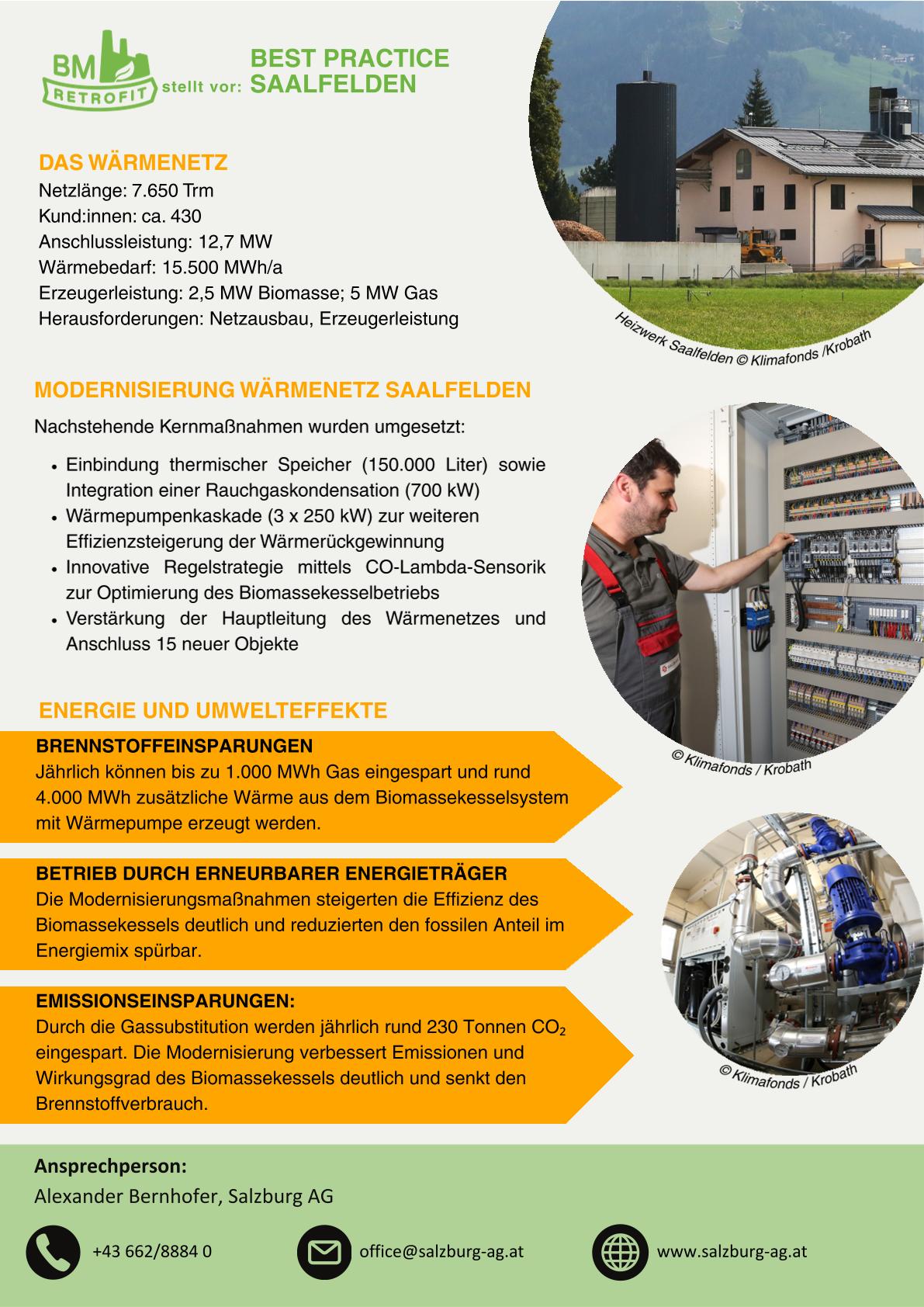
Profile of the BM Retrofit DEMO Saalfelden project. Click on the image to download the PDF (german only)!
Links:
- Flagship Project BM Retrofit
- Report Insight Talk Innovative Heating Solutions
- BM Retrofit solutions for heating network operators >> information sheet (german only)
- BM Retrofit solutions >> optimised display for mobile phones (german only)
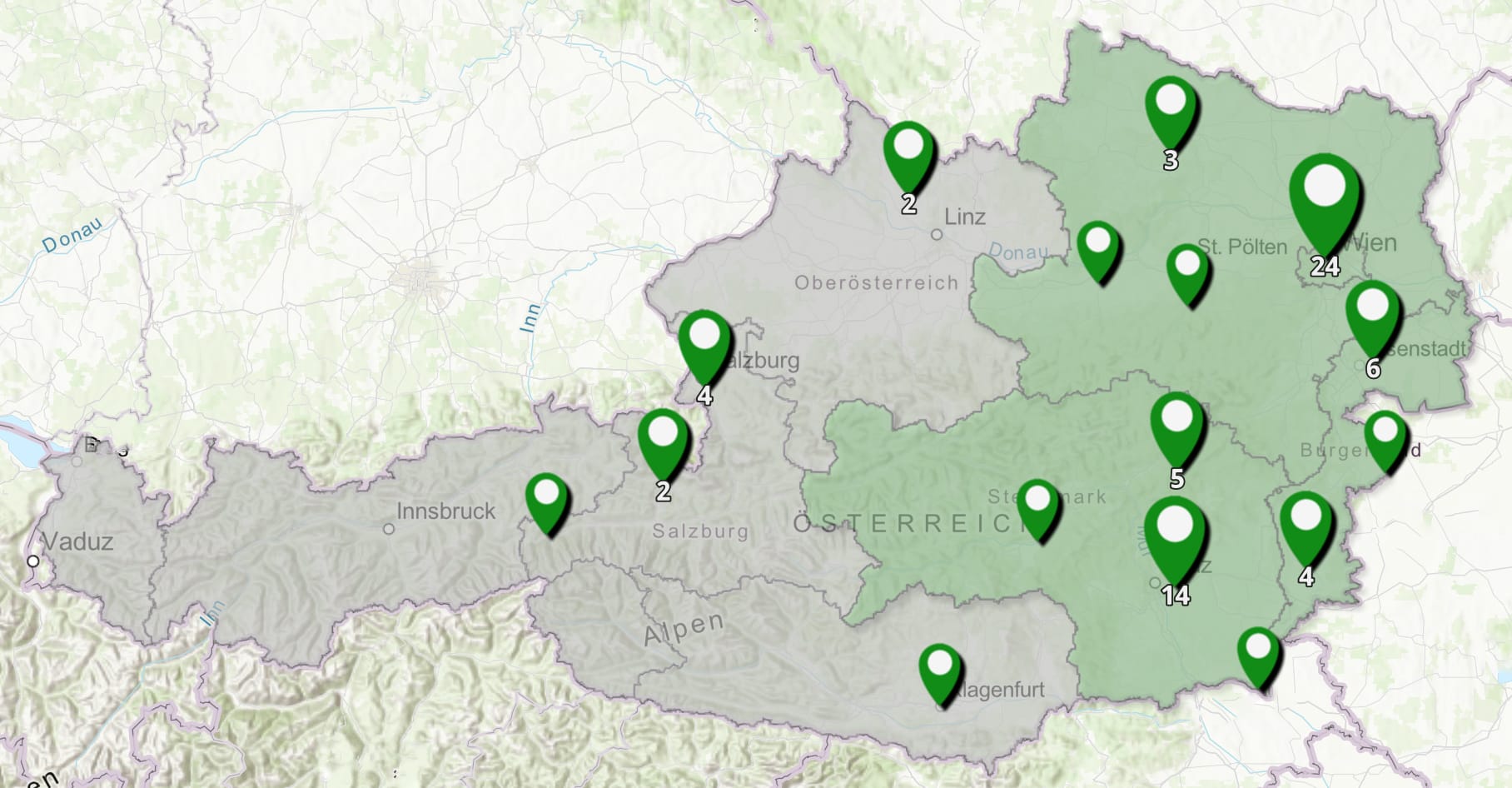
The following model solutions were being developed in the BM Retrofit DEMO Saalfelden project:
Holistic modernization concept for biomass-based District Heating systems
Media reports on the project
Project to modernize biomass-based heating networks successfully launched
Biomass-based district heating networks and systems play a central role in sustainable heat supply and comprise around 2,400 systems in operation in Austria. The BM Retrofit project is dedicated to the development and demonstration of holistic modernization concepts and the expansion of existing biomass-based district heating networks and systems.
To the article