
Highlights from eight years of research and innovation at Green Energy Lab
At an event in Vienna's Nordbahn district on 27 November 2025, selected projects from Green Energy Lab presented innovative model solutions for the energy transition.
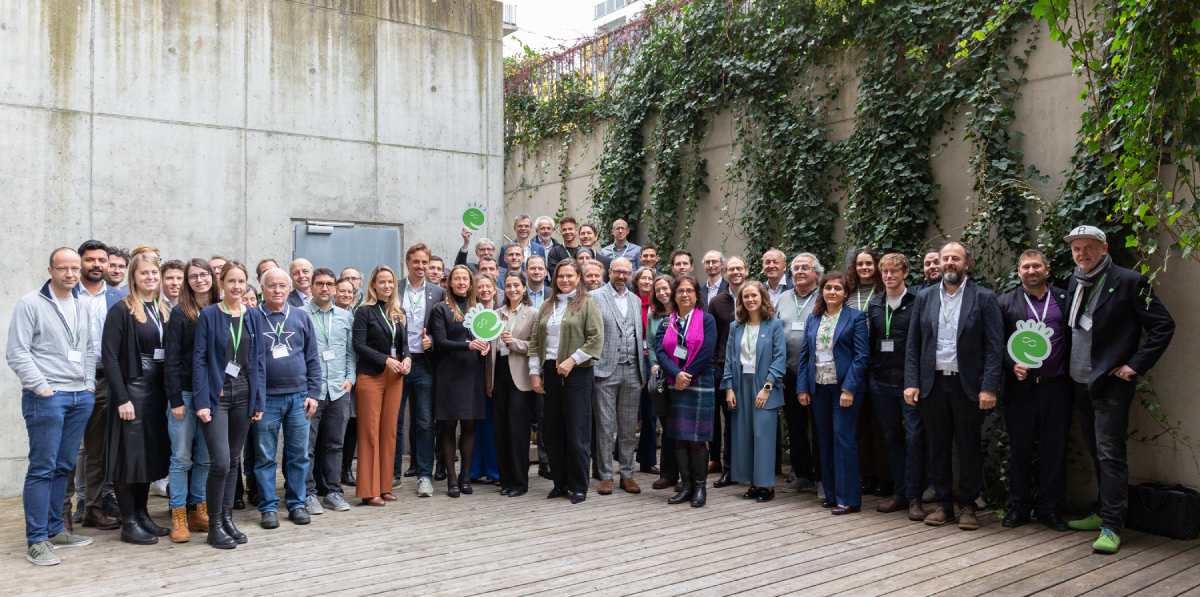
5 December 2025 – Eight years ago, the “Green Energy Lab Research Initiative” association was founded and, with the support of the Austrian Federal Government’s Climate and Energy Fund, the Green Energy Lab Flagship Region was launched. At that time, hardly anyone could have imagined how successful this public-private partnership for research and development in the energy sector would become. Green Energy Lab was and still is a novelty in many respects: For the first time, an innovation laboratory was operated in cooperation with four major energy suppliers to conduct research into model solutions for the energy transition together with partners from research, business and the public sector. Over the past eight years, more than 50 research and demonstration projects have been launched as part of Green Energy Lab, with over 150 million euros invested. The non-profit association Green Energy Lab Research Initiative was founded by Burgenland Energie, Energie Steiermark, EVN and Wien Energie. In 2025, Energie AG Oberösterreich, another major player in the Austrian energy supply sector, joined Green Energy Lab as an association member.
Society and the energy industry are facing an enormous challenge in the energy transition, i.e. the sustainable transformation of the energy system. Research and innovation are indispensable ingredients for the success of this transformation. This requires not only the appropriate infrastructure and the necessary financial resources, but above all many creative minds working together to find solutions for a sustainable energy future. Many such solutions have already been developed as part of the Green Energy Lab research initiative. Some of them have already been implemented in demonstration projects, and some are now also proving themselves on the market.
A model of success for the energy transition
Examples of successful transfer of research results to the market include increasing the efficiency of heating networks through digitalisation and utilising waste heat for sustainable heat supply. This enabled model solutions for the utilisation of waste heat from flue gas to be successfully demonstrated in a small biomass heating plant in Pinzgau as well as in the large waste treatment plant in Vienna Spittelau. In future, up to 16,000 additional households will be supplied with sustainable district heating generated by a high-temperature large-scale heat pump.
The use of waste heat from grey water and sewage has also been further developed and tested at Green Energy Lab, for example by utilising residual heat from sewers or sewage treatment plant effluent – solutions that have already been implemented in commercial projects, such as by Rabmer GreenTech at Vio Plaza in Vienna’s Meidling district or at Tulln Town Hall.
Another focus of Green Energy Lab’s research is on making the energy system more flexible through demand response mechanisms, storage technologies and sector coupling. One particularly innovative example is the coupling of wind power and district heating via the Neusiedl am See energy hub in Burgenland. When the electricity grid is struggling with energy surpluses and the electricity cannot be sold, wind power is transported via a direct line to the heating plant and used for district heating supply by means of large heat pumps.
Another example is the hybrid storage system in Theiss, Lower Austria, where a power-to-heat plant, in conjunction with a large-scale heat storage system and a battery storage system, contributes to making the electricity grid more flexible and reducing the load on it. The project in Theiss was instrumental in the development of a comprehensive battery storage strategy for energy supply in Lower Austria and beyond.
Another important question is how electric vehicles can be optimally integrated into our energy system in the future. To this end, research was conducted at Green Energy Lab in projects such as Car2Flex and GAMES to determine how controlled and bidirectional charging can relieve the strain on the power grid and thus support the expansion of volatile, renewable energies such as wind power and solar energy.

Pitching research projects to an audience
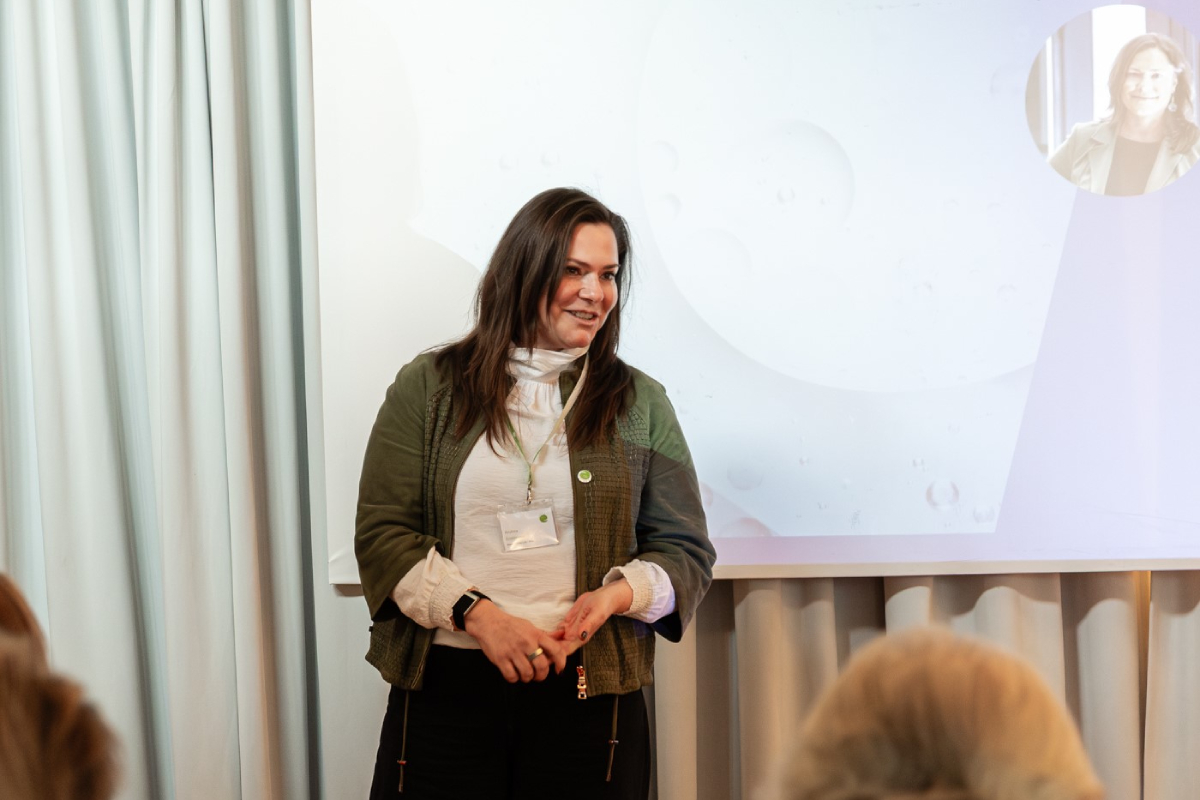
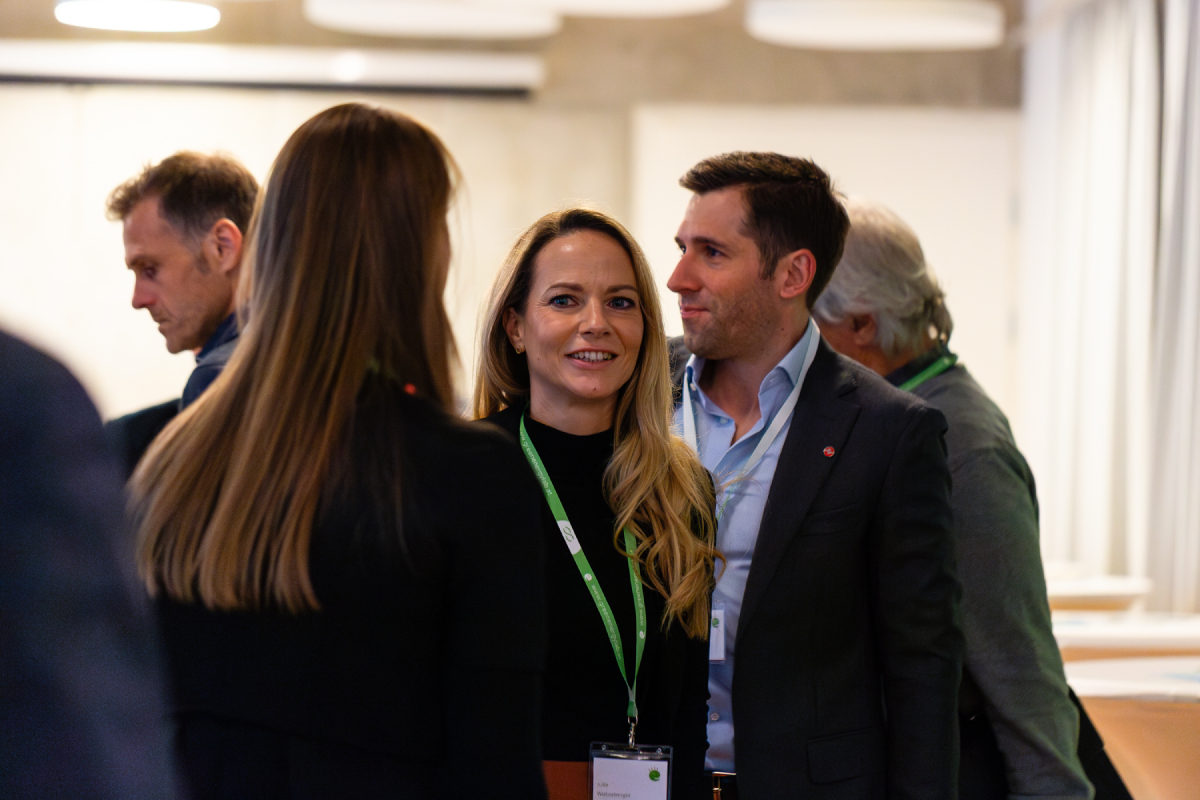
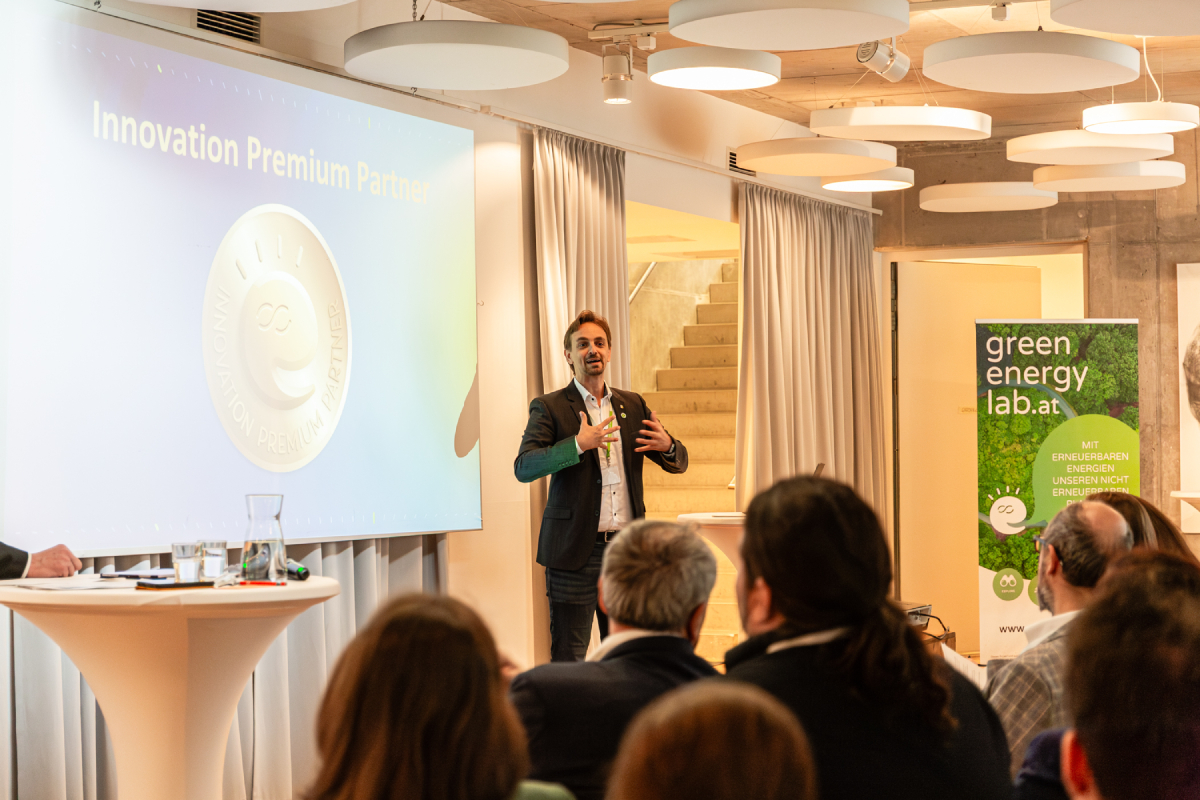
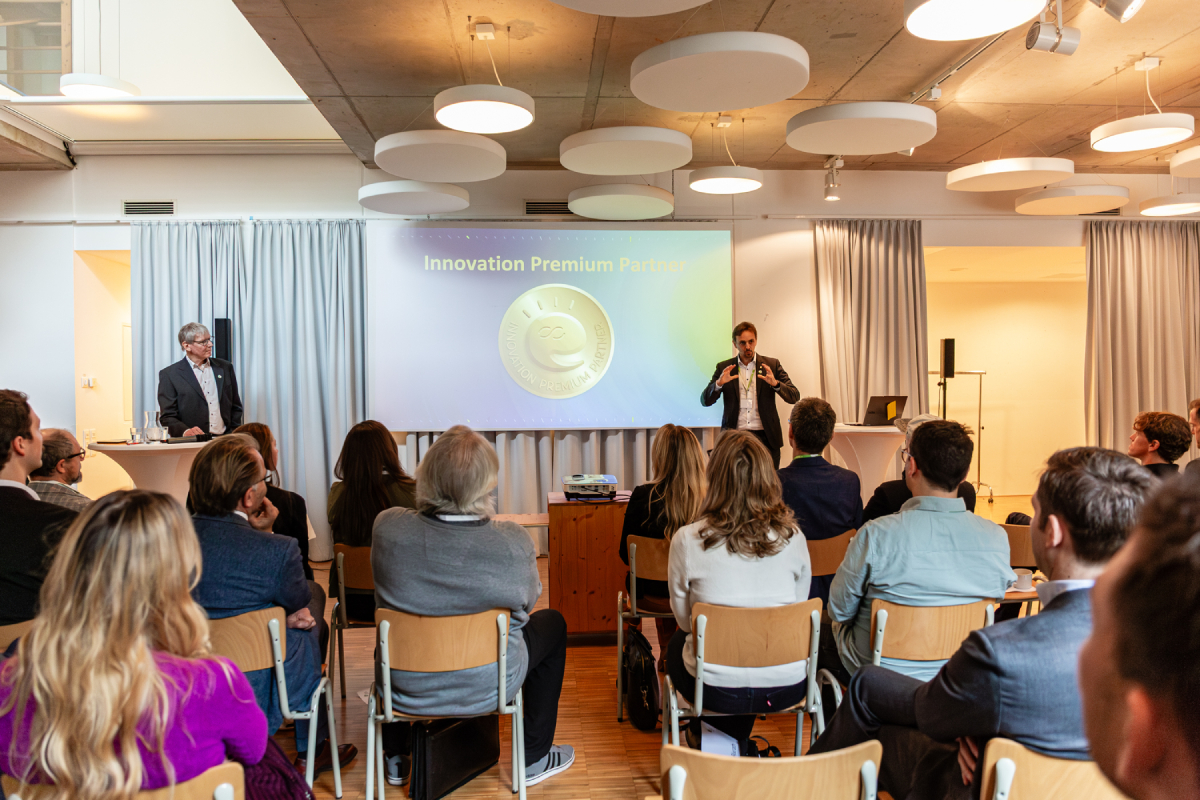
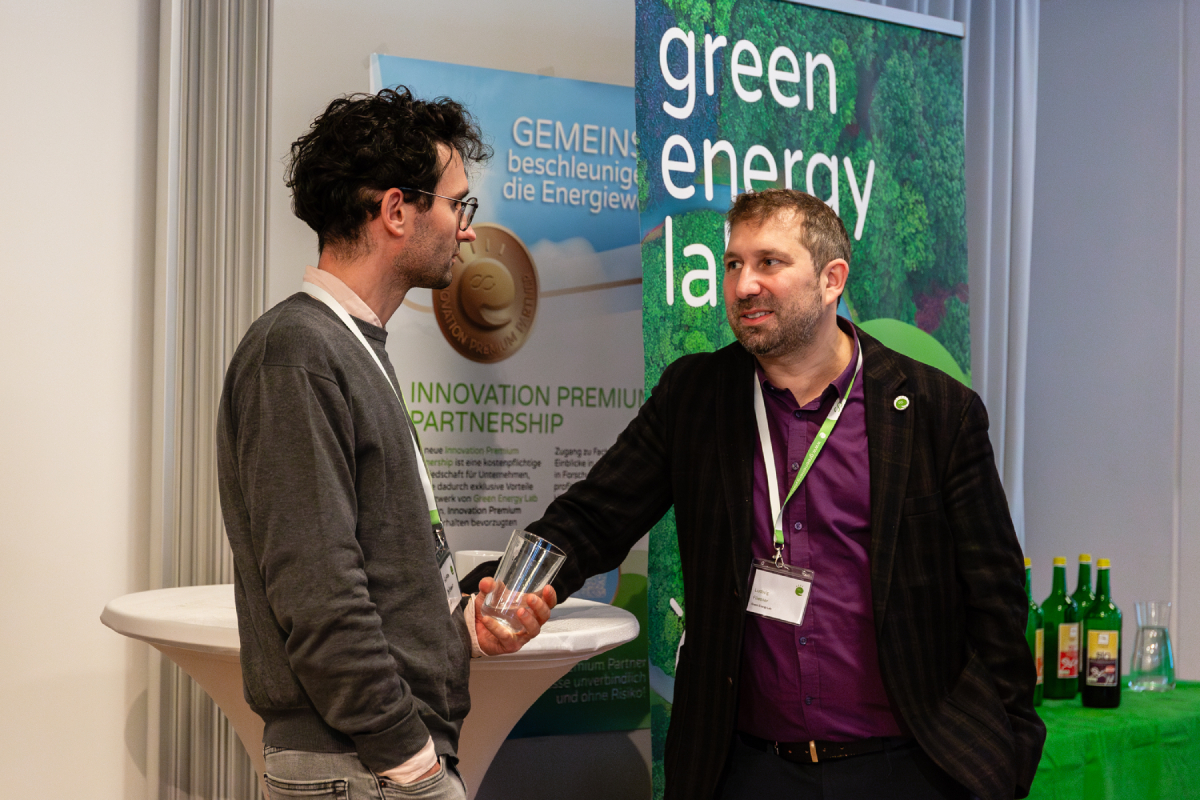
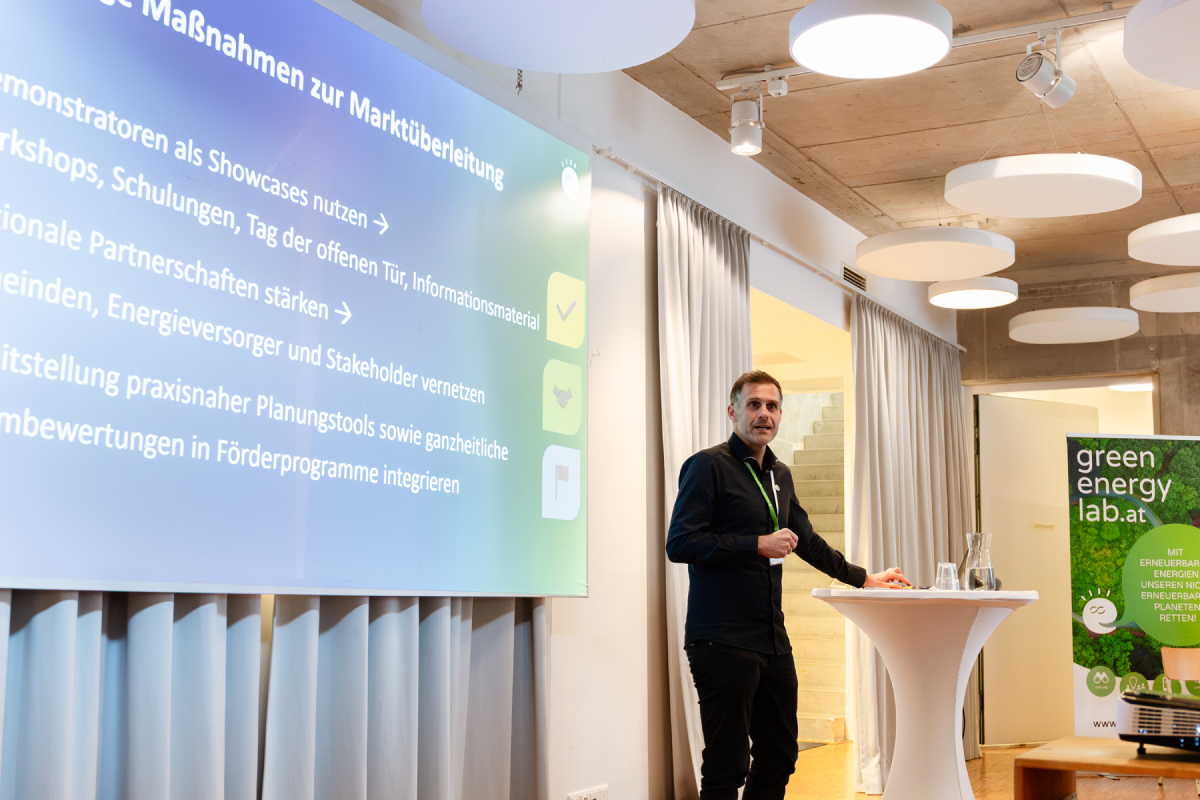
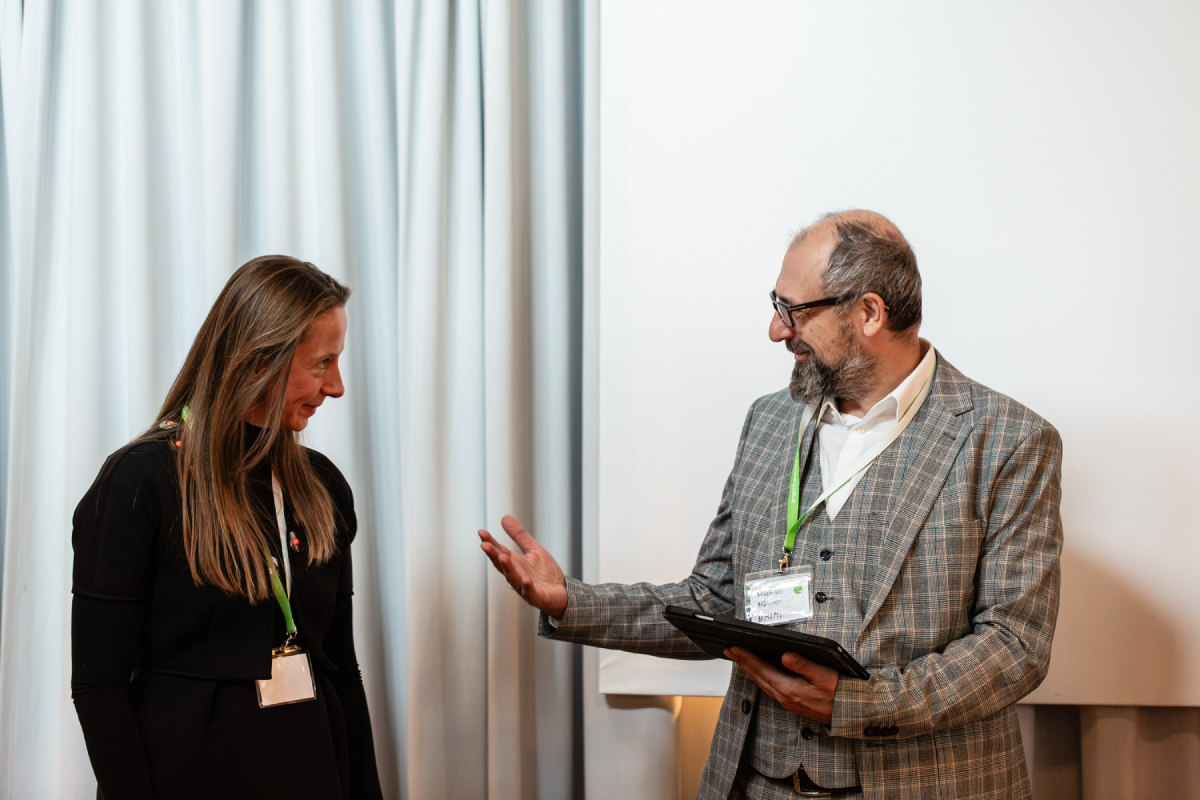
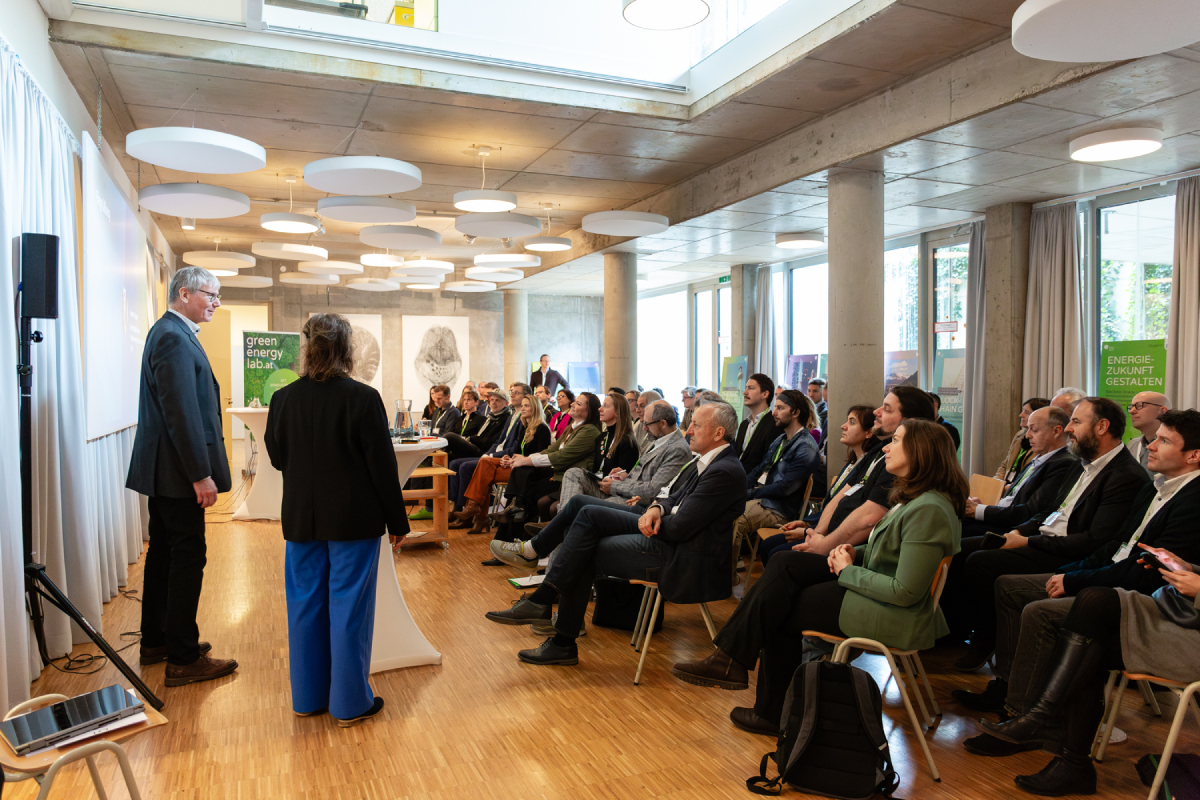
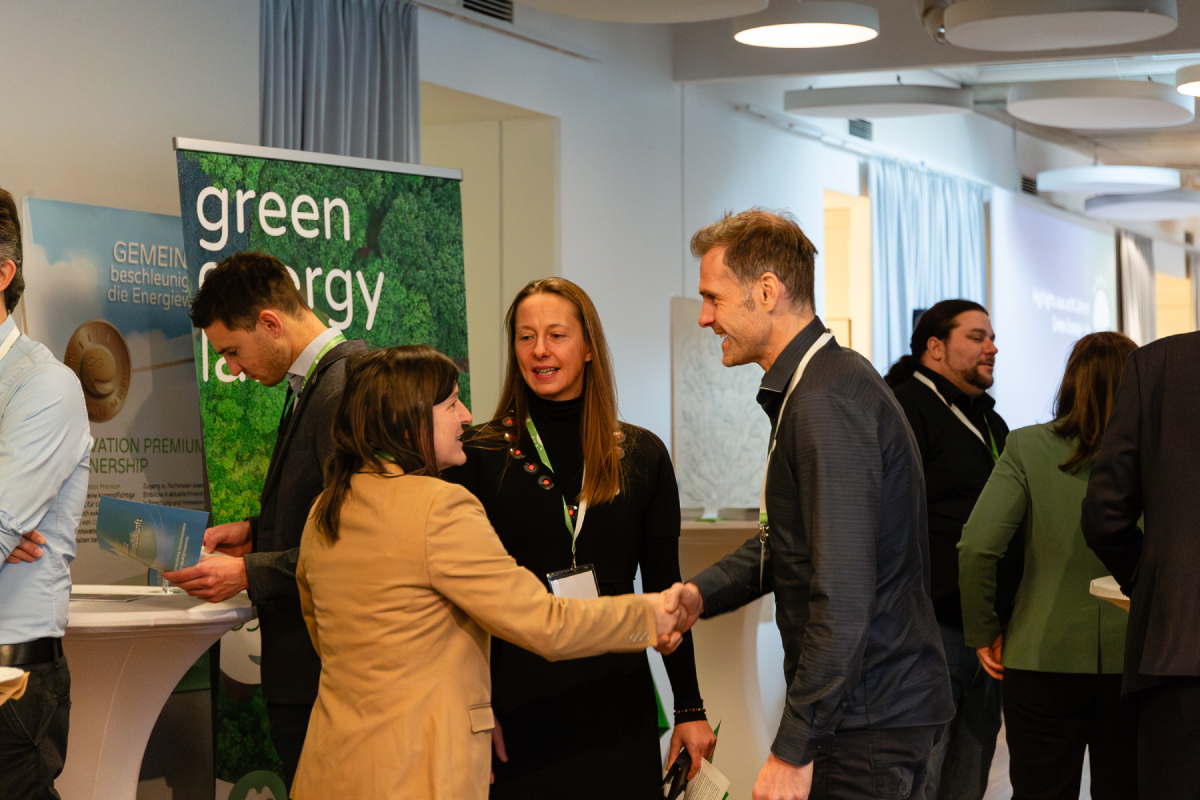
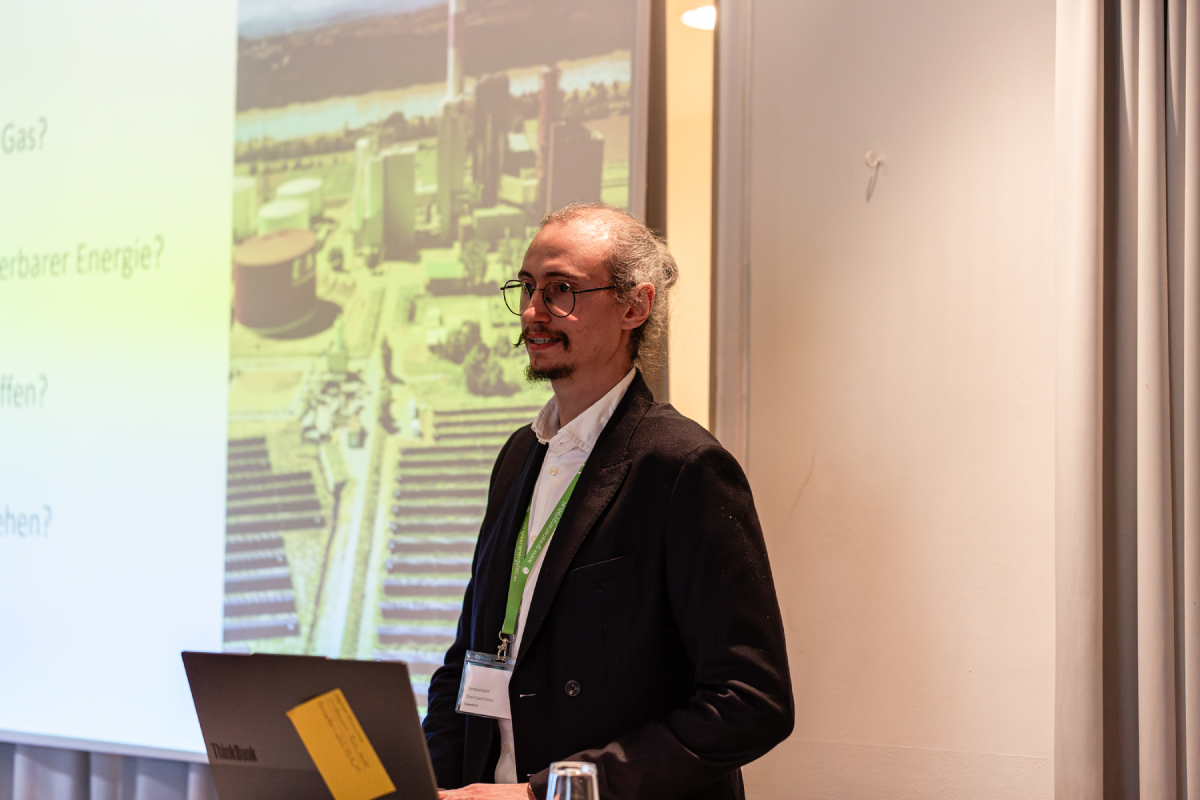
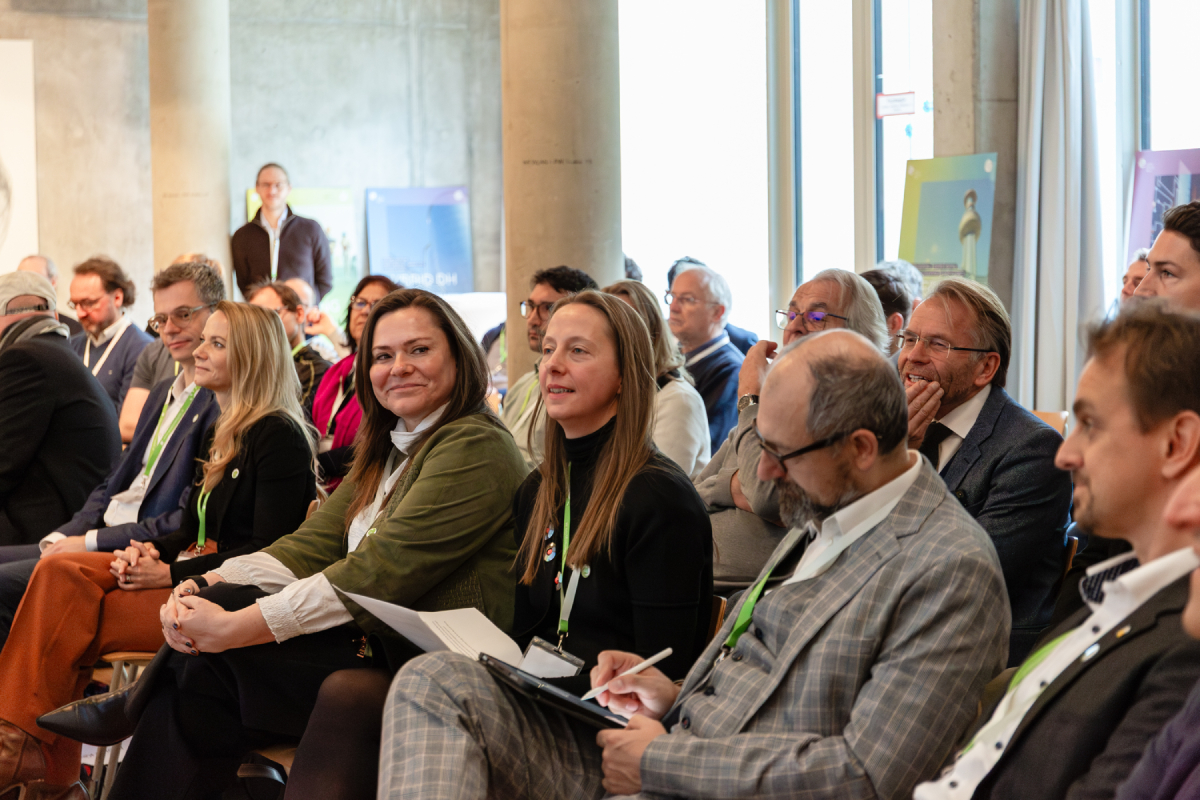
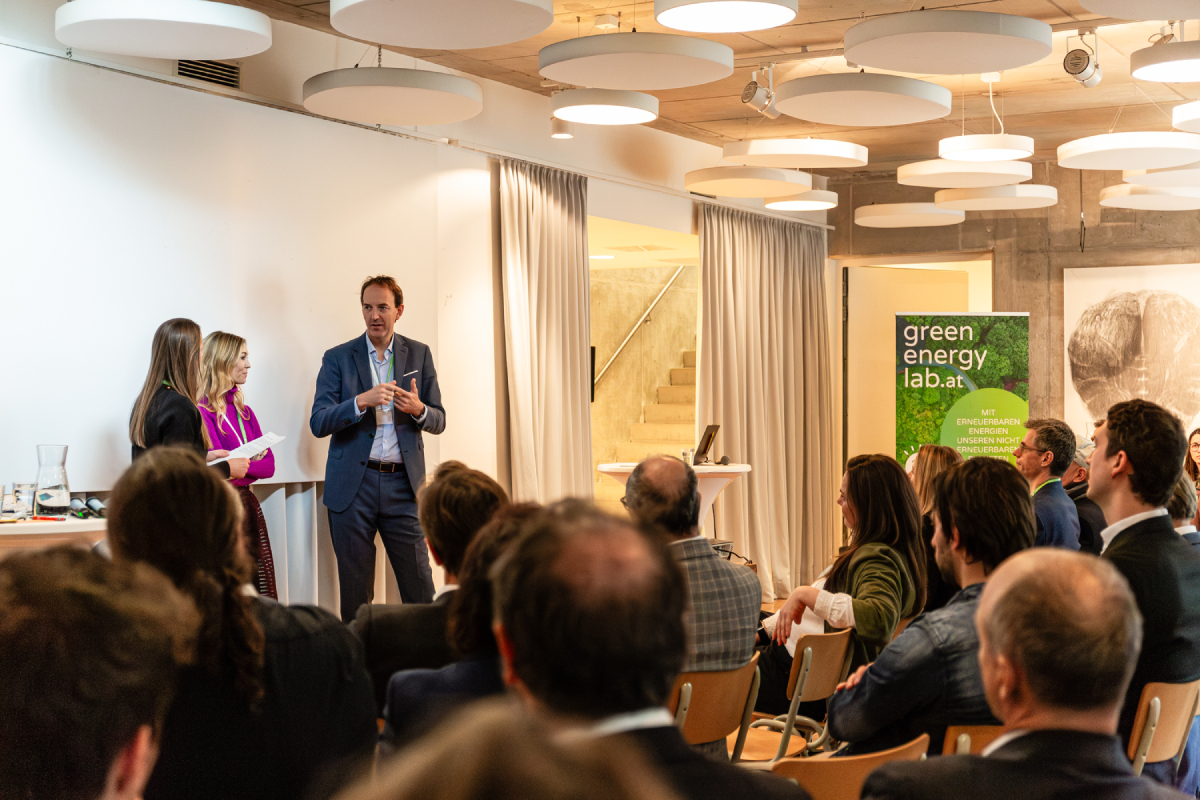
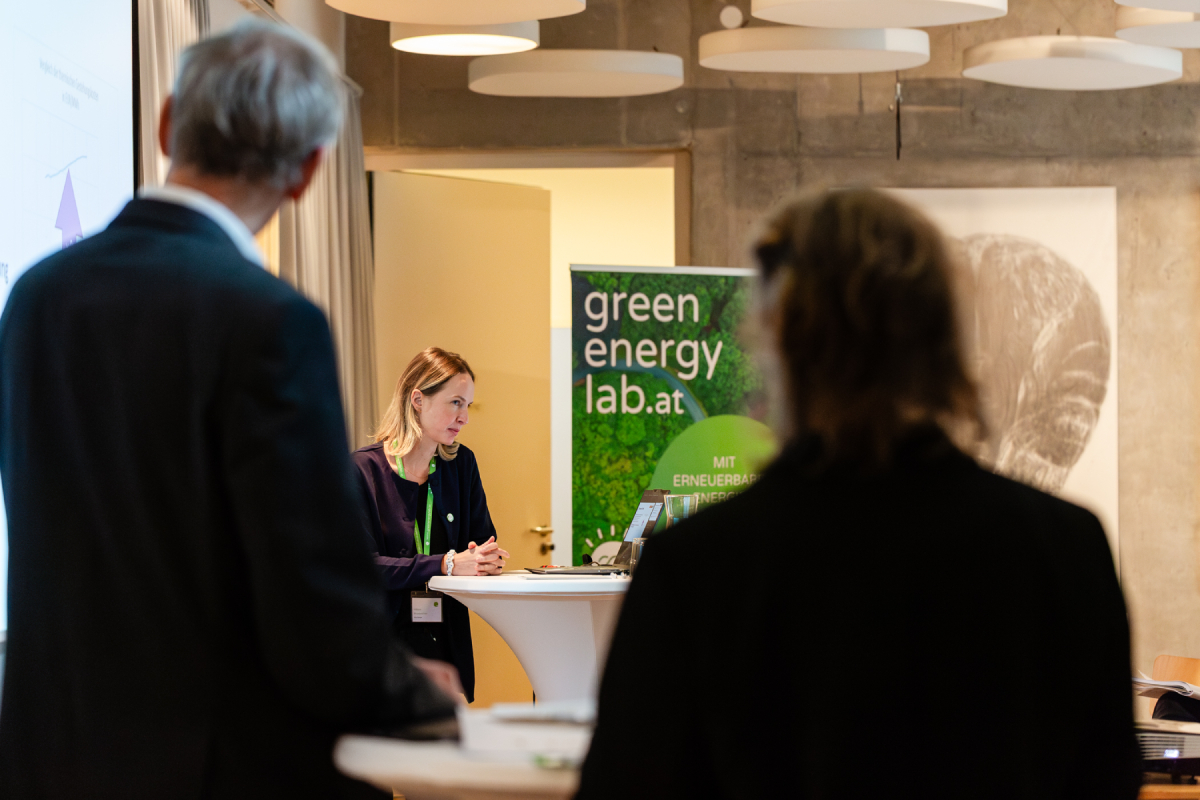
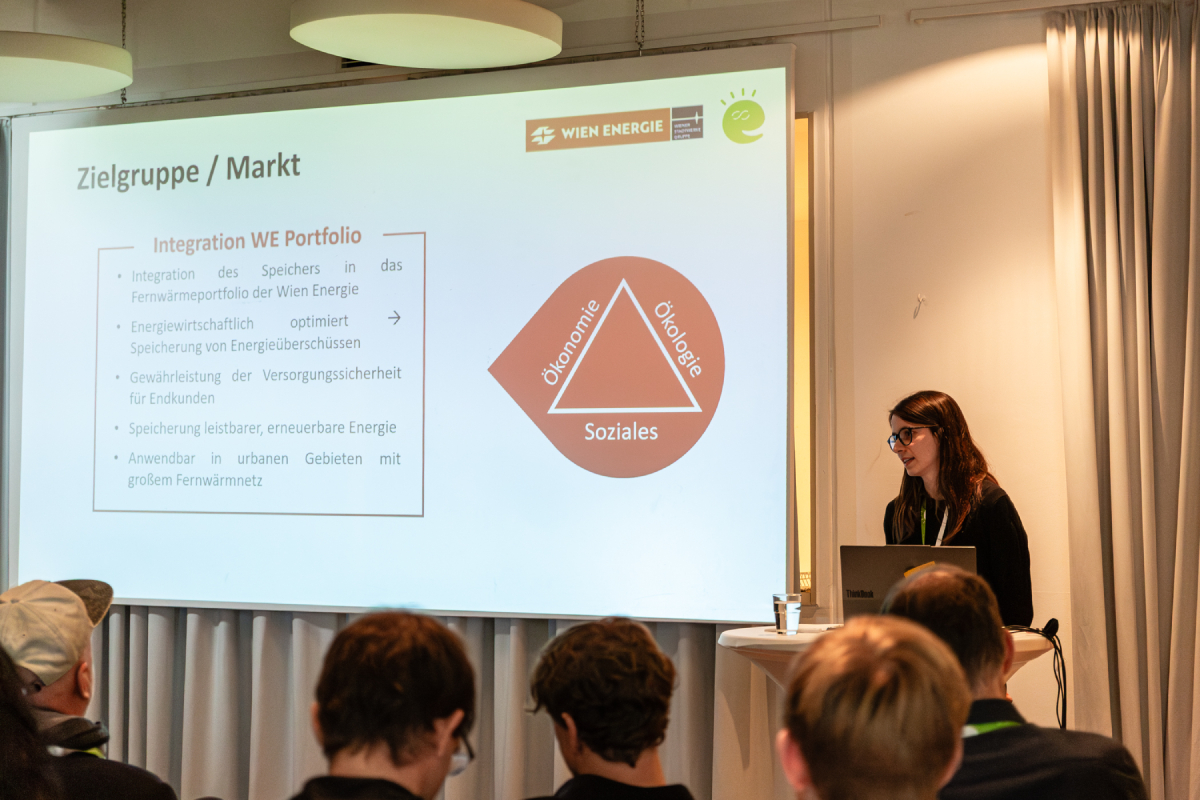
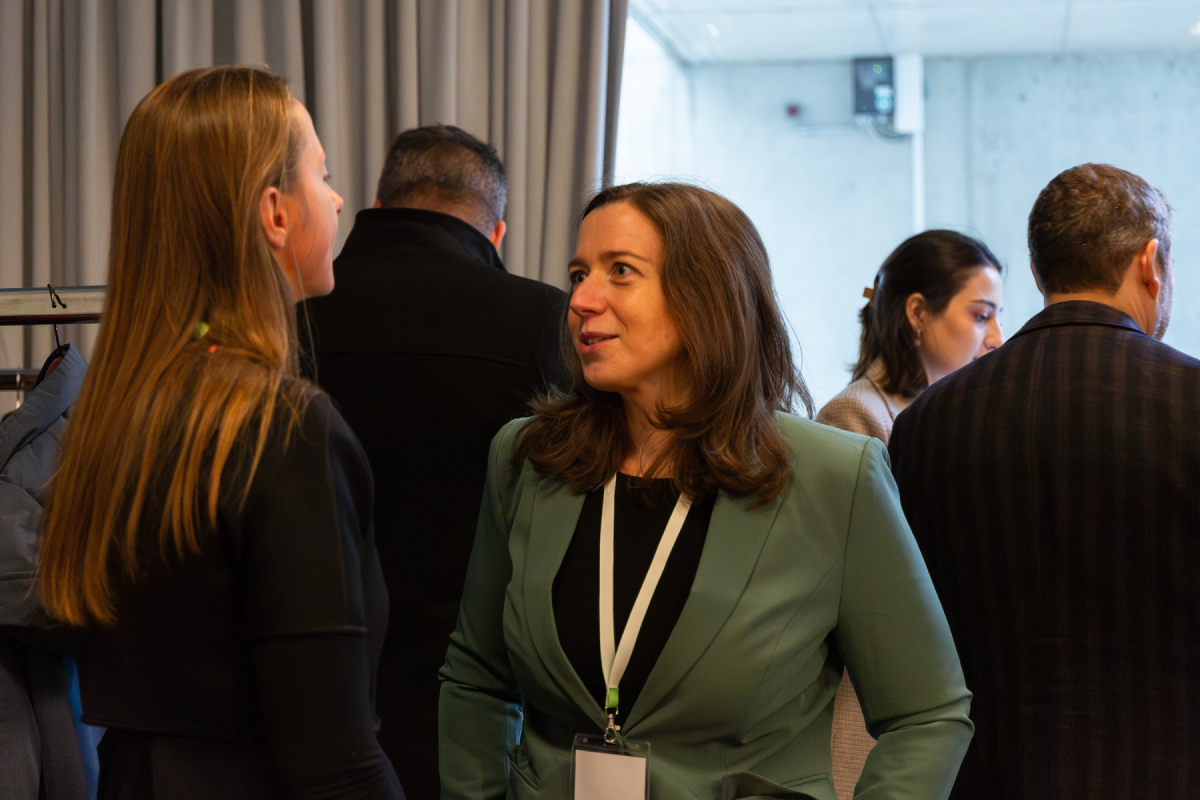
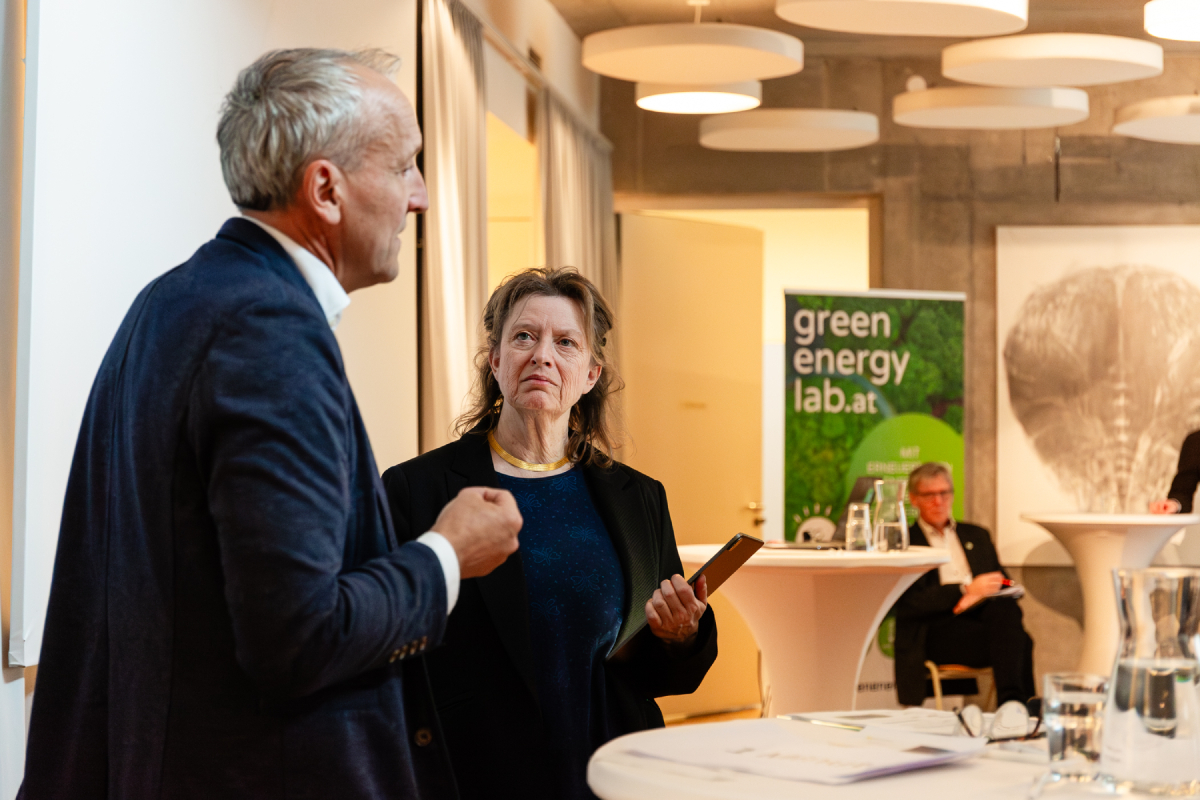
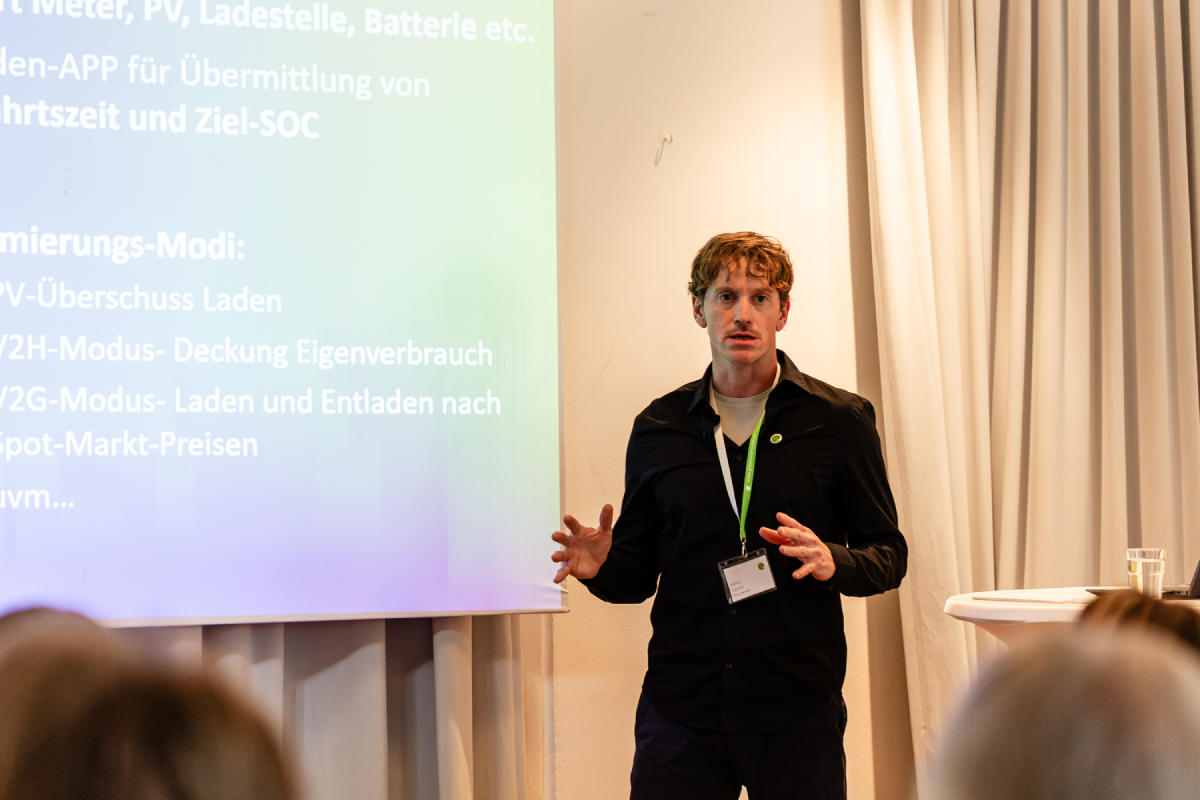
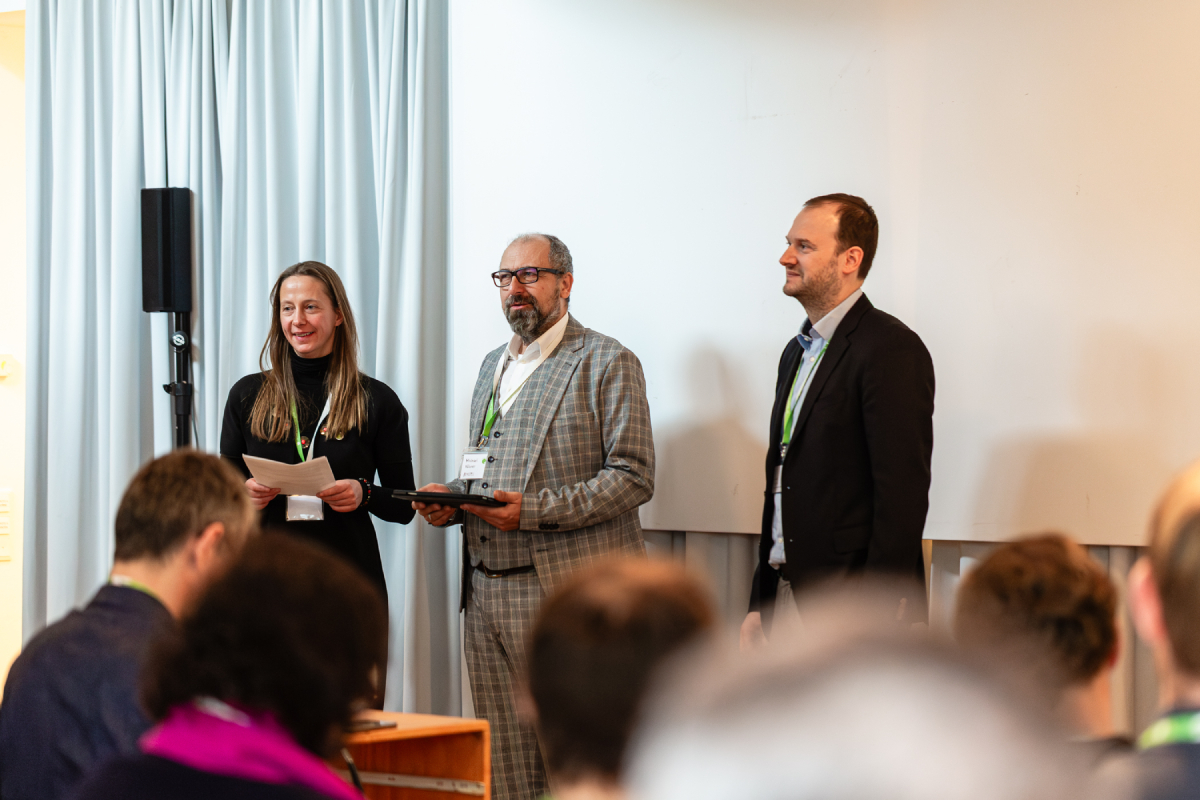
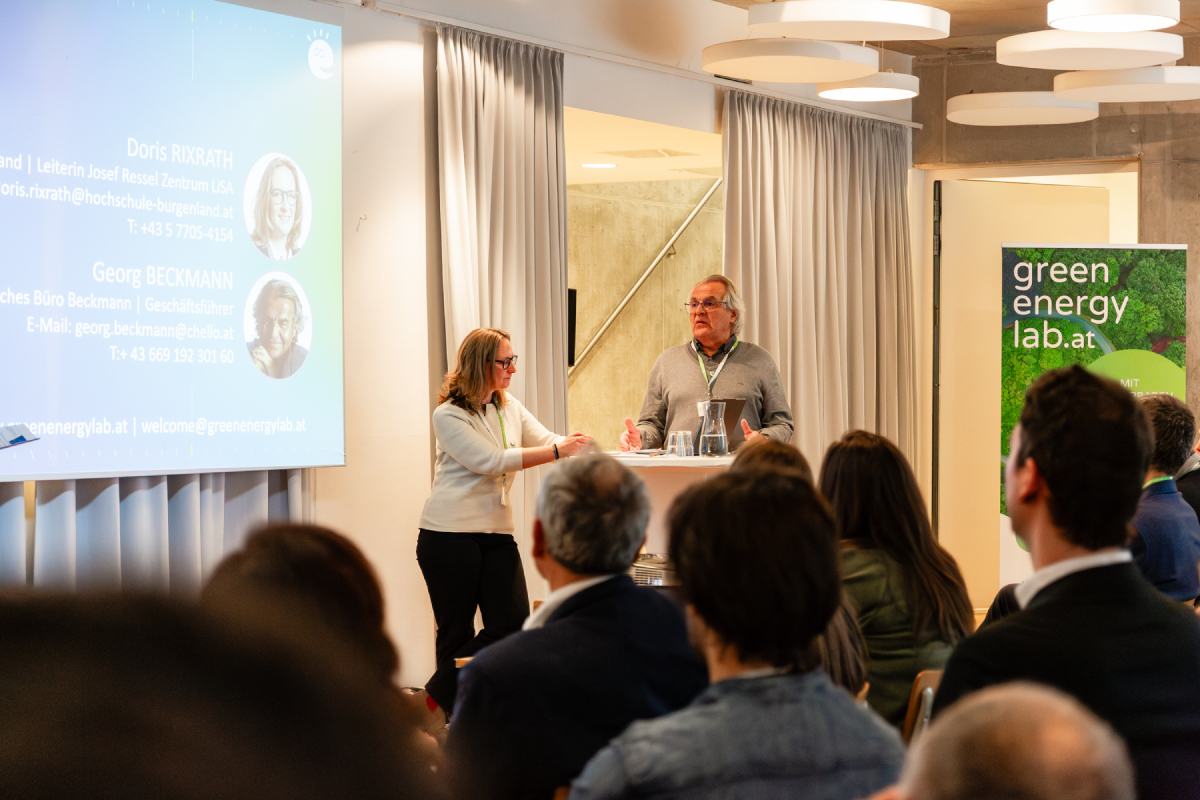
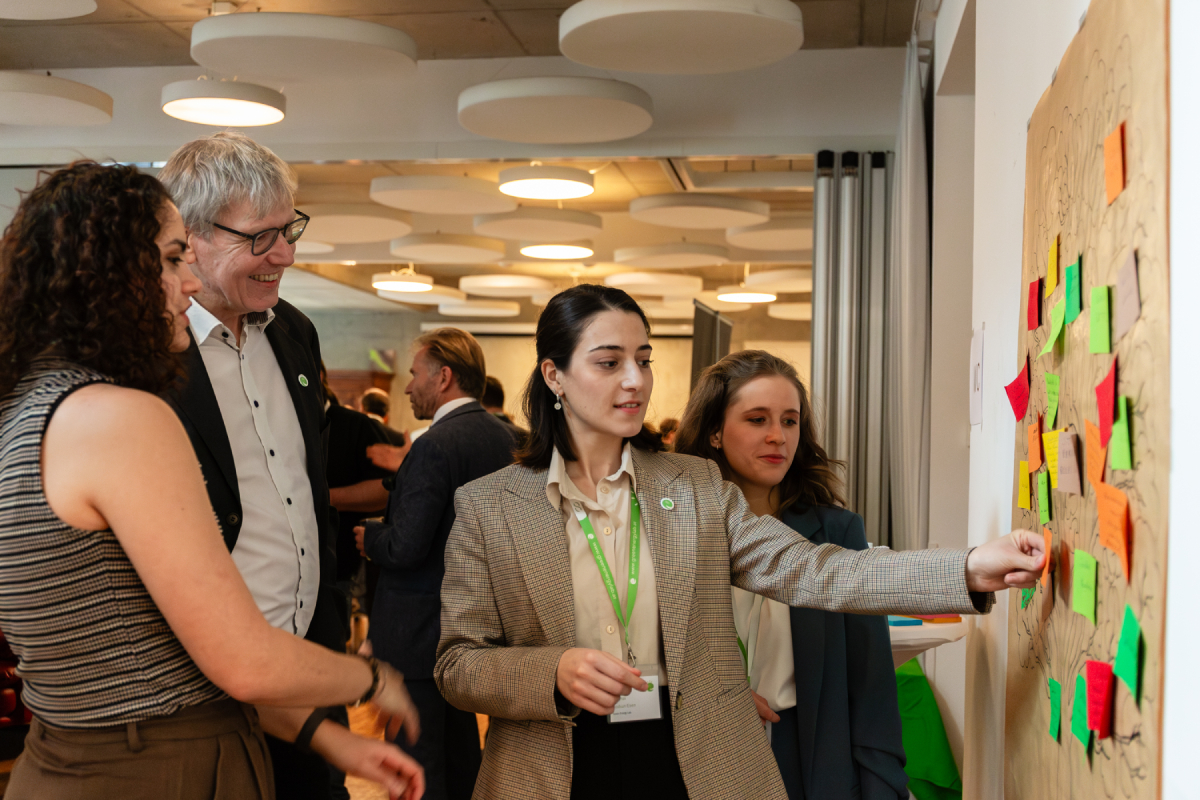
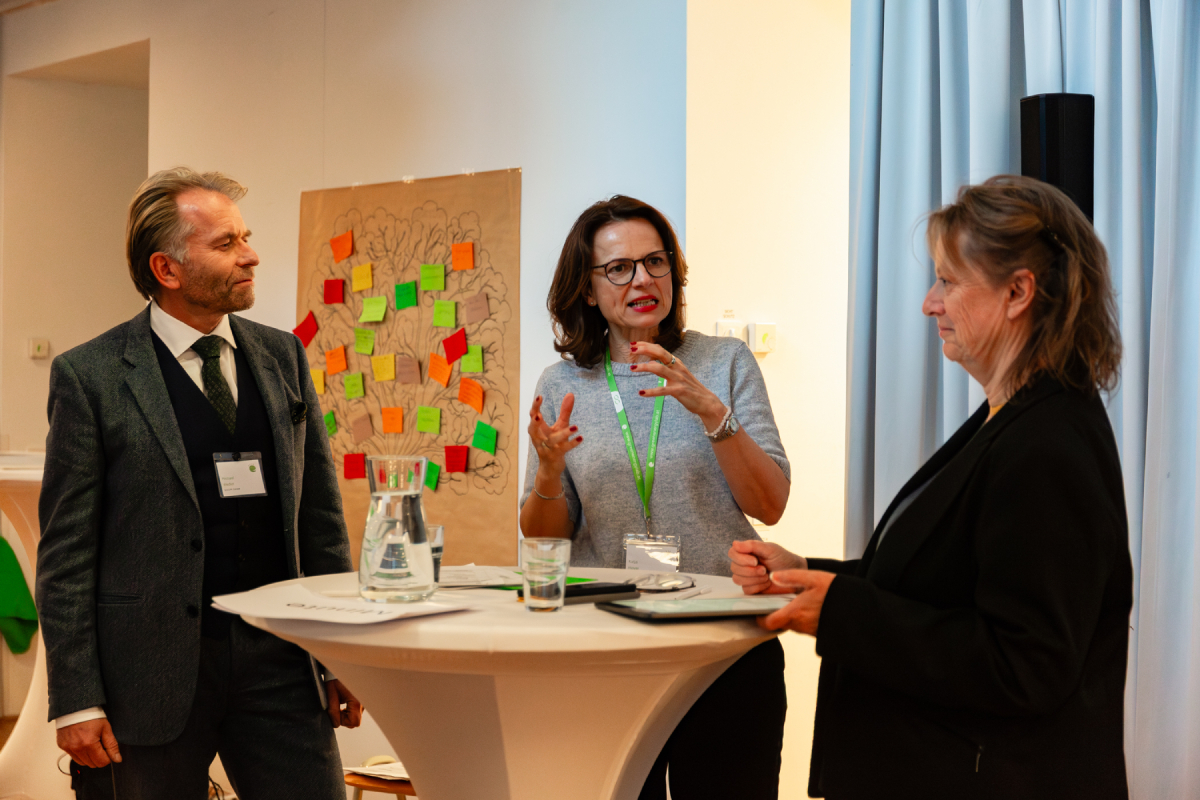
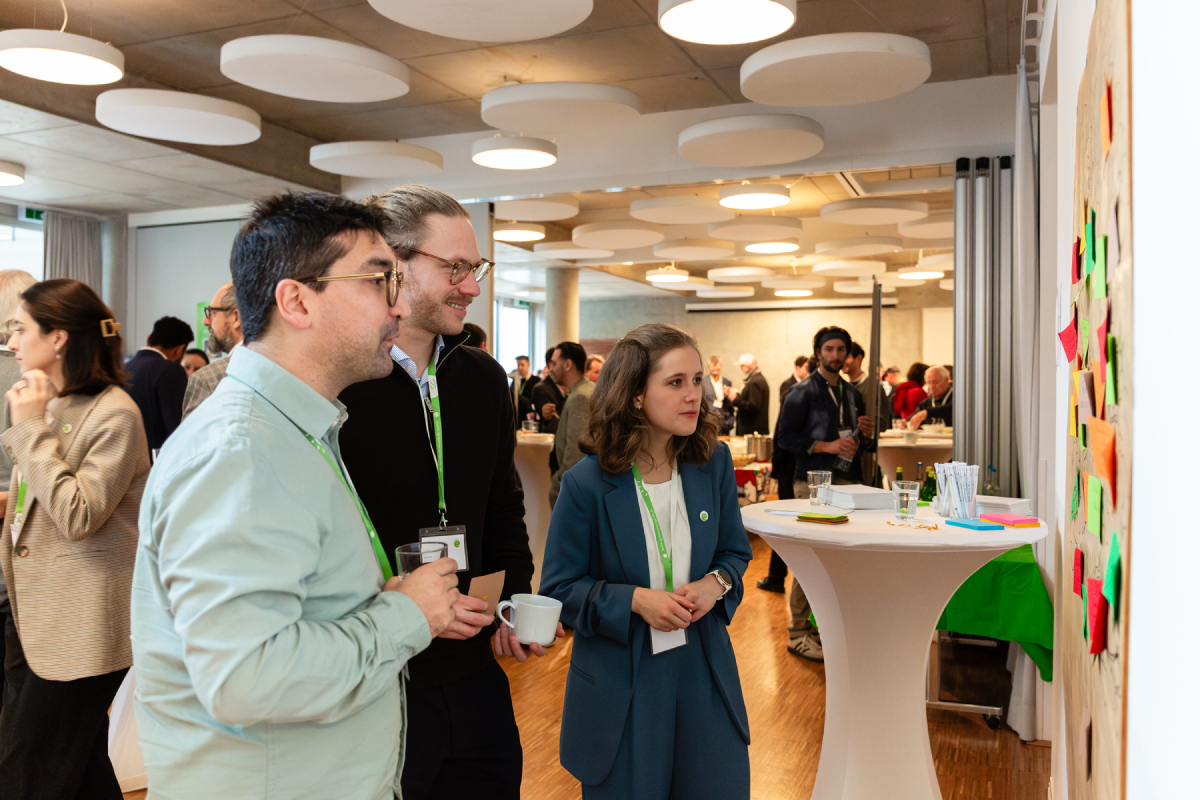
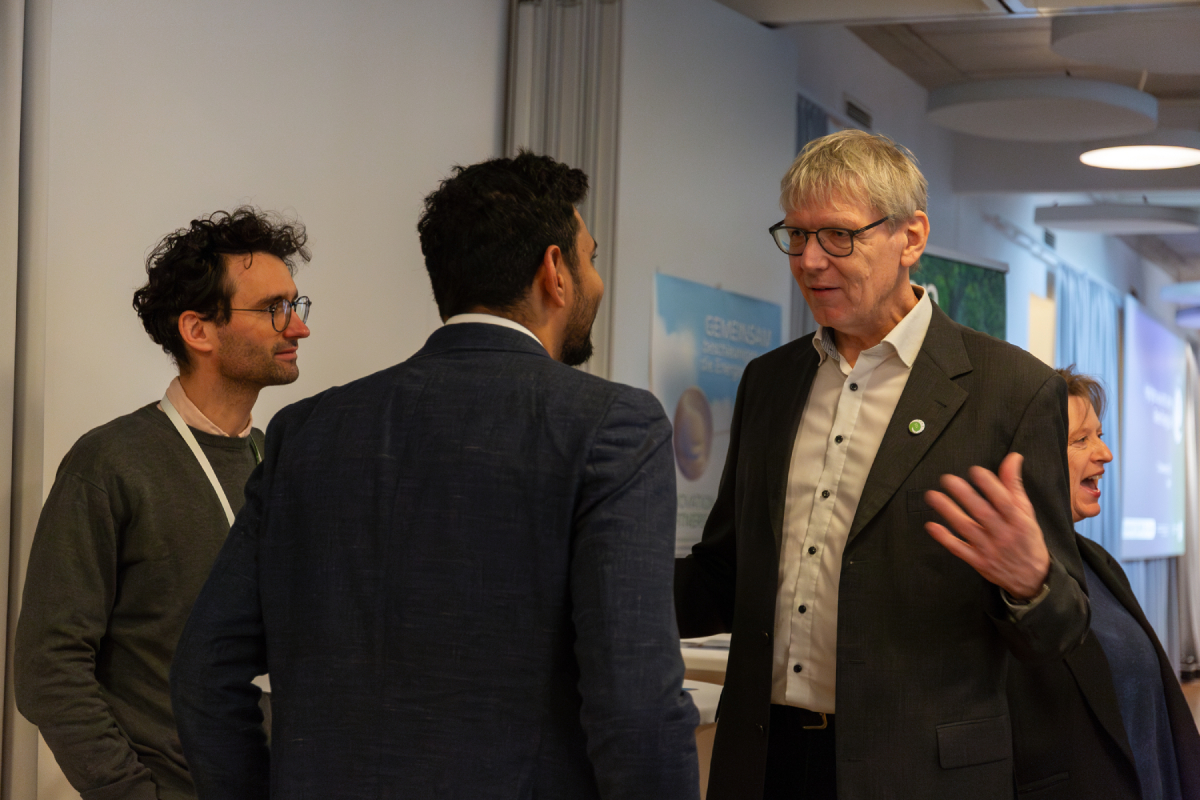
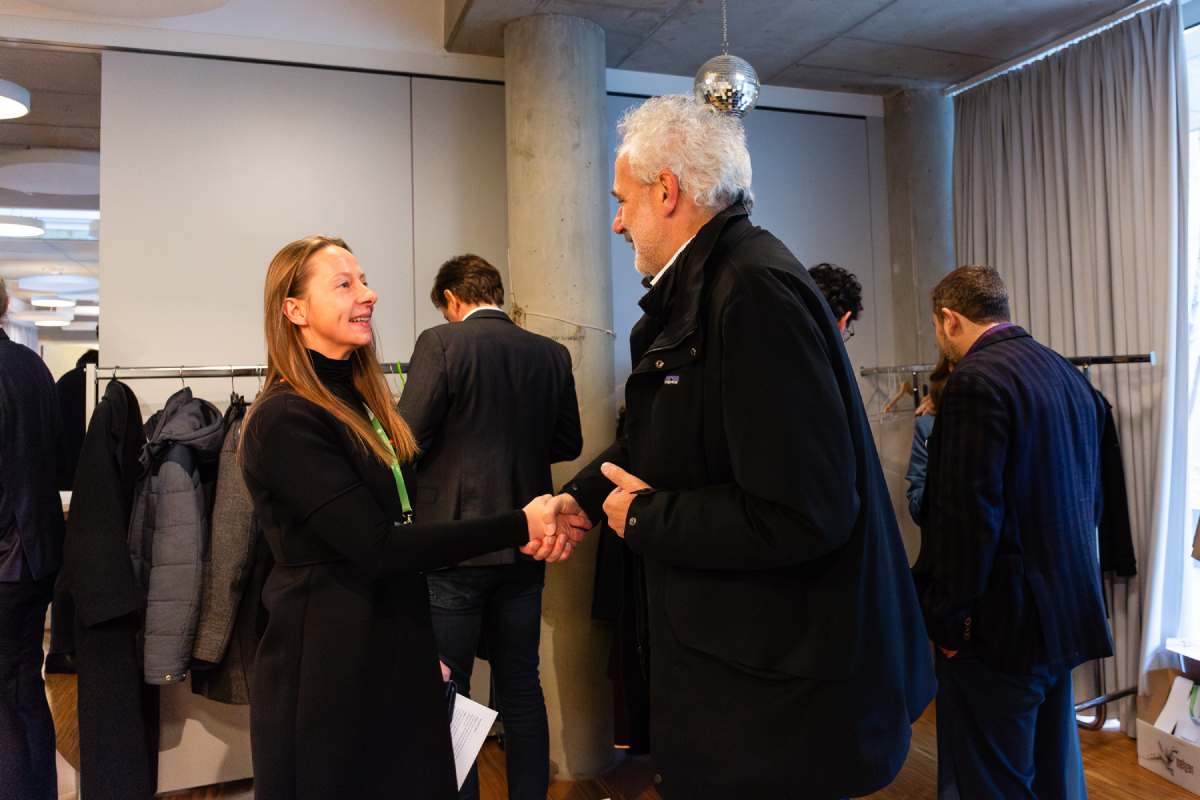
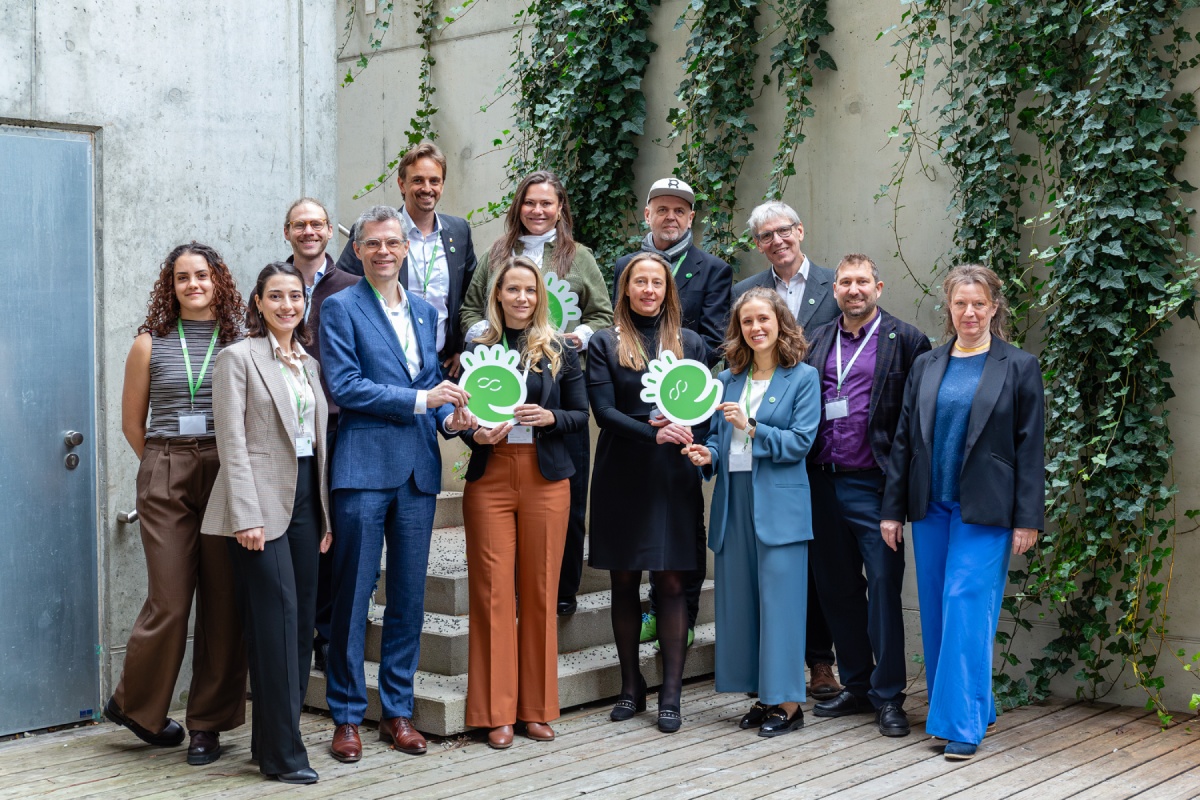
At the Green Energy Lab event in Vienna on 27 November 2025, a new presentation format for our research projects was tried out for the first time: the results were “pitched” in compact short presentations. Afterwards, the project managers answered questions from the audience. This gave visitors first-hand insights into research results and model solutions, as well as their scaling potential for the energy transition. Another highlight of the event was the numerous discussions on and off stage with long-standing companions of Green Energy Lab.
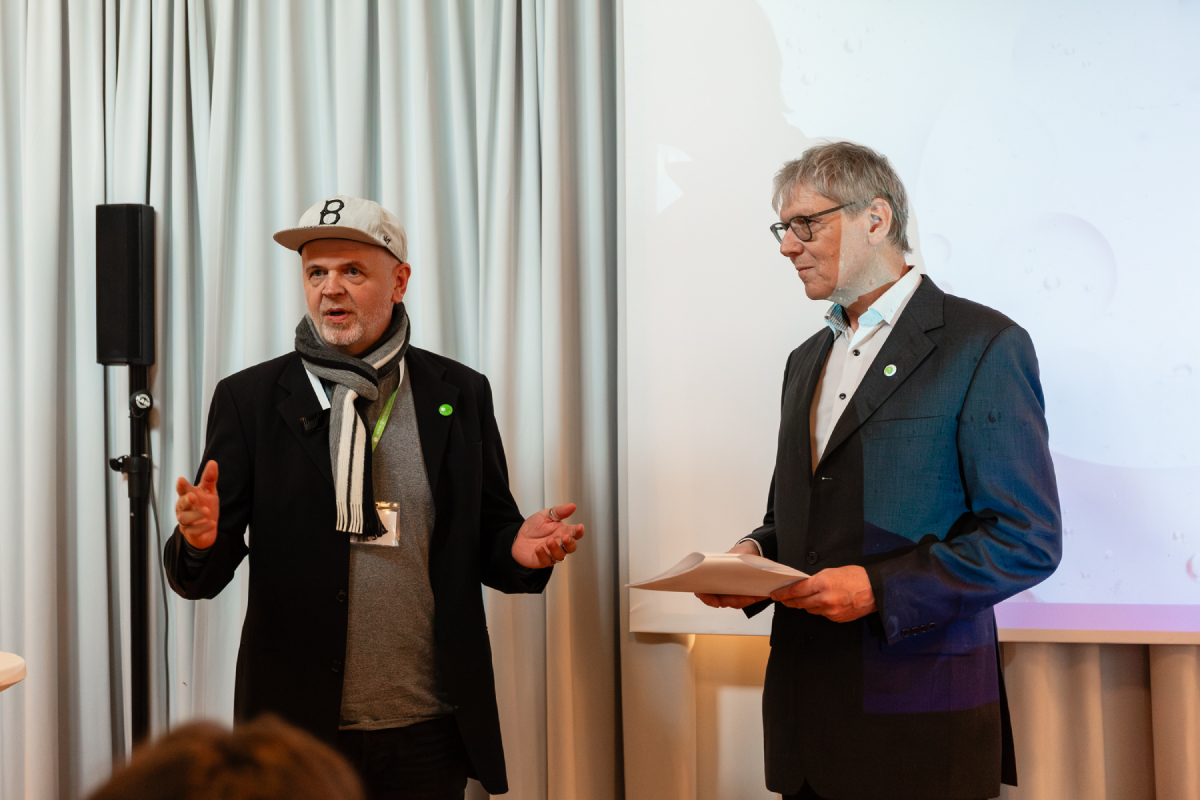
In her opening statement, Andrea Edelmann, chairwoman and spokesperson for Green Energy Lab, welcomed Energie AG Oberösterreich as a new member of the association and Julia Weberberger as a new member of the research initiative’s executive board. Sebastian Steinlechner from EVN subsidiary CyberGrid demonstrated how the hybrid storage system Theiss transformed a traditional power plant site into a modern energy hub. Rainer Matiasek, board member at Green Energy Lab for Burgenland Energie, introduced the new Innovation Premium Partnership for businesses and Philipp Novakovits presented the coupling of wind power and district heating in the Neusiedl Energy Hub (Hybrid Distric Heating Demo).
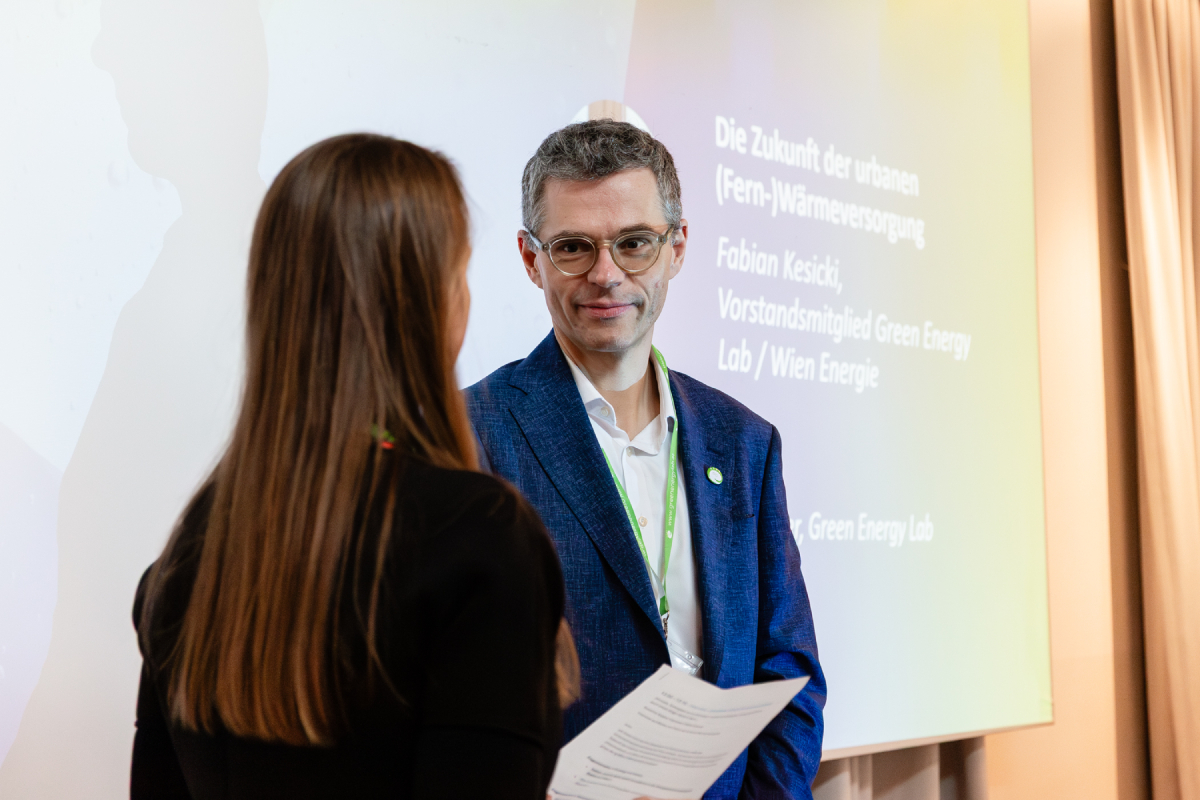
Fabian Kesicki, board member at Green Energy Lab for Wien Energie, spoke with our managing director, Susanne Supper, about the future of urban heat supply. Lisa Sophie Weginger presented plans to build Vienna’s first large-scale underground heat storage system (ScaleUp). Helene Mooslechner investigated whether thermal water lenses, known as aquifers, located in the Vienna Basin could be used as heat storage (ATES).
Mathias Schaffer, board member at Green Energy Lab for Energie Steiermark and next incubator, discussed with our R&D manager, Christian Kurz, how open innovation is generating solutions for a sustainable energy future. Patrick Landerl demonstrated how controlled and bidirectional charging can serve as an enabler for the expansion of renewable energies and the integration of e-mobility into the grid (Car2Flex)
Joachim Kelz from AEE INTEC presented modernisation concepts for biomass-based heating networks (BM Retrofit and ThermaFLEX). Doris Rixrath from Hochschule Burgenland and Georg Beckmann from TB Beckmann explored exergy transformers for heating and cooling networks (ExTra). Stefano Coss from Arteria Technologies focused on digitalisation with live monitoring and demand response in district heating networks (DOPPLER). Markus Luisser from Rheologic presented detailed yield forecasts for wind power sites based on terrain models and satellite data (Space4Wind).
Green Energy Lab would like to thank all participants of the event who made this day a very special occasion!
Contact
Ludwig Fliesser
Communications Manager
T: +43 676 471 93 47
E: ludwig.fliesser@greenenergylab.at